

Introduction: Why Brighton Betting Demands Specialized Knowledge
Brighton & Hove Albion represents one of football's most intriguing betting propositions—a team whose tactical identity creates predictable patterns while defying conventional wisdom about what small-budget Premier League clubs should accomplish. Understanding how to profit from Brighton betting requires moving beyond generic football analysis toward specialized knowledge that accounts for their unique characteristics.
This club doesn't fit standard templates. They dominate possession statistics in ways typically associated with elite clubs while simultaneously maintaining defensive vulnerability that creates consistent both-teams-to-score opportunities. Their playing style generates more corners than almost any other Premier League side. They embrace tactical approaches that other clubs fear, creating situations where statistical models occasionally lag behind observable patterns.
The analytical edge in Brighton betting comes from recognizing these disconnections between their actual performance and how bookmakers price their markets. Brighton plays football that generates extreme underlying statistics—very high expected goals for and against—that translate into specific betting opportunities when matched against opponents with contrasting styles. Most casual bettors overlook these patterns, focusing instead on league position and recent results without understanding the tactical foundations driving outcomes.
Professional sports betting has evolved considerably beyond simple win-draw-loss predictions. Modern betting markets offer dozens of options per match: corners, shots, cards, specific score lines, first-half results, and countless others. Brighton's distinct playing style makes certain markets consistently more favorable than others, but identifying which markets warrant attention requires analytical work that extends beyond checking odds and recent form.
This guide approaches Brighton betting as systematic discipline rather than recreational guessing. The strategies outlined here come from statistical analysis, tactical understanding, and recognition of market inefficiencies that appear with sufficient frequency to create legitimate advantage. This isn't about guaranteeing wins—variance ensures losing streaks affect even the most sophisticated approaches—but rather about structuring betting activity around positive expected value that compounds over meaningful sample sizes.
What follows breaks down into several interconnected components. First, we establish foundational understanding of Brighton's tactical identity and how that translates into betting markets. Then we examine statistical frameworks for evaluating Brighton fixtures beyond surface-level analysis. Advanced strategies follow, covering everything from expected goals implementation to opponent-specific preparation. The guide then addresses bankroll management essentials that prevent analytical edges from evaporating through poor money management. Finally, we catalogue common mistakes that even experienced bettors make with Brighton, along with practical tools for maintaining disciplined approach over time.
Brighton betting rewards those who commit to understanding what makes this specific team succeed or struggle. The tactical nuances that create their distinctive statistical profile aren't obvious from watching highlight packages or reading match reports. But for bettors willing to invest time understanding these patterns, Brighton offers opportunities that conventional betting approaches consistently miss. The sections ahead provide framework for building that edge systematically.
Understanding Brighton's Playing Style: Tactical Foundations for Betting Success
Brighton's tactical identity under their recent management represents possession-based football philosophy implemented with unusual commitment for a club of their resources. They don't merely try to keep the ball—they structure everything around controlling possession through precise passing patterns and aggressive positioning. This commitment creates the foundation for their distinctive betting profile.
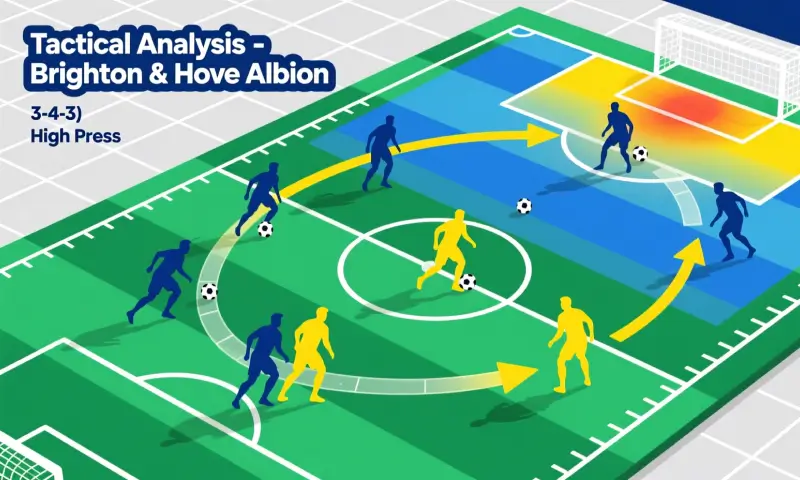 Brighton's possession-based tactical approach with heat map overlay
Possession Philosophy and Its Betting Implications
Brighton averages possession figures between 55-65% across most Premier League matches, statistics typically associated with clubs spending far more on player wages. They achieve this through systematic build-up play from the goalkeeper, with defenders comfortable receiving passes under pressure and midfielders constantly providing passing options. This isn't reactive possession accumulated while protecting leads—it's proactive control pursued regardless of game state.
The betting implications start with corners markets. Possession-dominant teams force opponents deep, generating corner opportunities at elevated rates. Brighton consistently ranks among the Premier League's top corner-takers, averaging over five corners per home match and nearly four away. These numbers exceed what bookmakers typically price into their corner lines, creating systematic value for over bets in this market.
High possession also influences shot markets. Teams controlling the ball inevitably generate more shot attempts, even if shot quality varies. Brighton's shot counts regularly reach double digits, particularly at home where their territorial dominance becomes most pronounced. Understanding these tendencies allows informed betting on team shot totals rather than just match outcomes—markets where Brighton's playing style creates predictable statistical floors.
Defensive Vulnerability: The Double-Edged Sword
Brighton's possession philosophy comes with inherent defensive tradeoff. Their high defensive line and aggressive positioning leave space behind that opponents exploit with basic counter-attacking principles. Even relegation-threatened teams regularly score against Brighton by playing direct football that bypasses midfield possession battles entirely.
This defensive approach creates remarkably consistent both-teams-to-score (BTTS) opportunities. Brighton might dominate possession 65-35 yet still concede goals with predictable frequency. Their matches produce BTTS results at rates significantly above Premier League averages—roughly 65-70% of fixtures see both teams score compared to league-wide rates around 53%. For bettors, this represents mathematical edge when BTTS odds offer value relative to this hit rate.
The statistical profile extends to over/under goals markets. Brighton matches routinely exceed total goals expectations, producing high-scoring affairs even against opponents who typically participate in lower-scoring fixtures. Their defensive vulnerability doesn't stem from occasional catastrophic performances—it's systematic consequence of tactical choices that prioritize attacking ambition over defensive solidity.
Home vs Away Performance Patterns
Brighton's tactical identity expresses differently depending on venue. At the Amex Stadium, their possession dominance reaches extreme levels against mid-table and weaker opponents. Home matches against possession-averse teams sometimes see Brighton control 70%+ of the ball while generating expected goals figures that dwarf their opponents. These matches create specific betting opportunities around Brighton attacking metrics—corners, shots, goals—rather than generic win betting.
Away fixtures present different dynamic. While Brighton maintains possession principles on the road, territorial control diminishes against better sides. Away matches produce more balanced contests where Brighton's defensive vulnerability becomes more pronounced without corresponding attacking compensation. BTTS becomes more reliable away betting angle than backing Brighton outright, as does supporting over goals totals in matches against teams willing to attack themselves.
The home/away split matters enormously for market selection. Brighton home fixtures against defensive opponents warrant focus on Brighton-specific markets: team goals, corners, shots. Away fixtures, particularly against quality opposition, shift focus toward match-level markets like BTTS and totals rather than directional Brighton bets.
Set-Piece Threat and Vulnerability
Set pieces represent amplified version of Brighton's general profile—both threatening and vulnerable. They generate corners prolifically while also conceding them. Their set-piece conversion rates fluctuate, but volume creates consistent goal-scoring opportunities that bookmakers sometimes underprice.
Understanding Brighton's set-piece personnel matters for in-play betting. When specific players known for aerial threat are on the pitch, corner situations carry enhanced goal probability. Conversely, defensive set-pieces represent persistent vulnerability regardless of opponent quality, creating anytime goalscorer opportunities for opposition players specializing in these situations.
How Opponents Approach Brighton Fixtures
Brighton's reputation influences how opponents set up against them. Teams know they'll face sustained possession pressure and consequently adopt defensive shapes prioritizing compactness over attacking ambition. This opponent response reinforces Brighton's statistical profile—high possession, many corners, defensive spaces to exploit.
The exceptions matter enormously for betting purposes. When Brighton faces opponents committed to possession themselves—historically sides like Manchester City, Liverpool, or Arsenal—match dynamics shift dramatically. These fixtures produce more open contests with less pronounced possession disparities and different statistical profiles that require separate analytical approach entirely.
Opponent quality also determines whether Brighton's possession translates into clear-cut chances or sterile control against massed defenses. Against elite defenses that maintain organization despite extended pressure, Brighton's high possession might not convert into commensurate goal-scoring opportunities. These contextual factors separate profitable betting from mechanical application of general Brighton patterns.
Managerial Philosophy and Tactical Adjustments
Brighton's tactical identity transcends individual managers because it reflects ownership philosophy prioritizing specific playing style. Successive managers inherit commitment to possession-based football, though implementation details vary. Understanding current manager's specific emphases—does he prioritize width or central penetration, defensive solidity or attacking aggression—refines match-specific analysis.
Tactical adjustments mid-season occasionally alter betting considerations. If Brighton responds to defensive struggles by adopting deeper defensive line, BTTS frequencies might decline while their attacking output also drops. Monitoring these tactical evolutions prevents outdated analysis based on earlier season patterns that no longer apply.
The key insight for betting purposes: Brighton's tactical identity creates predictable statistical patterns that translate into specific market opportunities. Their playing style isn't good or bad in absolute terms—it simply generates characteristic outputs that informed bettors can anticipate and profit from when markets underprice these probabilities. The following sections build upon this tactical foundation with statistical frameworks and practical betting strategies optimized for Brighton's unique profile.
Statistical Foundations of Brighton Betting: Beyond Basic Analytics
Effective Brighton betting requires moving beyond simple won-lost records toward statistical frameworks that capture their distinctive performance patterns. Their tactical approach generates extreme underlying metrics that traditional statistics like league position or recent form fail to fully represent.
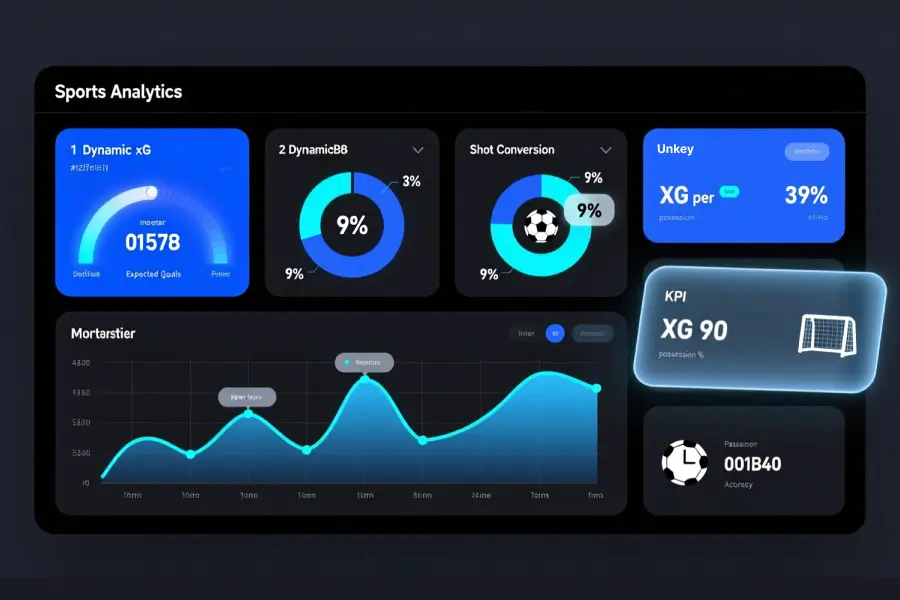 Comprehensive statistics dashboard for Brighton performance analysis
Expected Goals (xG): The Foundation of Value Assessment
Expected goals methodology provides superior foundation for evaluating Brighton performance compared to actual goals scored or conceded. Brighton routinely generates xG figures that exceed their actual goal tallies, particularly over short sample sizes where variance plays outsized roles. Understanding this relationship prevents overreacting to recent results that misrepresent their underlying quality.
Brighton's offensive xG typically ranks solidly mid-table despite their possession dominance. They create volume of chances rather than relying on few high-quality opportunities. This shot-heavy approach produces consistent xG accumulation but with higher variance in actual goal output. When actual goals lag xG significantly, regression toward their underlying process suggests upcoming positive results—creating betting value when markets overweight recent disappointing outcomes.
Defensive xG reveals Brighton's systematic vulnerability. They routinely post defensive xG figures worse than actual goals conceded, indicating they outperform defensive process through shot-stopping or fortune. This statistical pattern suggests their defensive record will regress negatively—information valuable when markets price Brighton based on temporarily strong defensive performance unsupported by underlying metrics.
For betting application, compare Brighton's xG with opponent's xG from recent matches. When Brighton faces opponent with strong attacking xG and weak defense, the statistical foundation for high-scoring match becomes robust. Conversely, when Brighton's recent xG significantly exceeds actual goals while facing weak opposition, betting their attacking markets offers value derived from probable positive regression.
Shot Quality vs Shot Volume
Brighton's high shot counts don't automatically translate into goals because shot location matters enormously for conversion probability. They generate many shots from outside the penalty area—low-percentage attempts that accumulate xG slowly but inflate shot statistics dramatically. Understanding this distinction prevents overestimating their attacking threat based purely on shot volume.
Sites like Understat break down xG by shot location, allowing assessment of Brighton's shot quality composition. When Brighton generates xG heavily concentrated in the six-yard box, their goal-scoring probability spikes. When xG comes primarily from distance shots, actual goals often underwhelm expected figures. This granular analysis informs whether to back Brighton goal totals or fade them when shot quality deteriorates.
Possession Statistics and Market Implications
Brighton consistently ranks among Premier League leaders in possession percentage, typically controlling the ball 55-65% of match time. This statistic alone doesn't guarantee outcomes but it heavily influences corner and shot markets. Teams with sustained possession force opponents deep, generating corner opportunities at elevated rates.
Brighton averages over five corners per home match and nearly four away—figures significantly above league average. Bookmakers sometimes underprice Brighton corner totals, particularly at home where possession dominance peaks. When facing opponents who typically concede many corners, combining Brighton's possession tendency with opponent vulnerability creates profitable corner betting opportunities.
Possession also correlates with opponent approach. When Brighton faces possession-averse teams happy to cede territory and counter-attack, expect extreme possession splits with Brighton controlling 65%+ of the ball. These matches typically produce elevated shot and corner counts for Brighton while creating transition opportunities for opponents—tactical setups perfect for backing both team shot totals and BTTS simultaneously.
Home vs Away Statistical Splits
Brighton's statistical profile diverges sharply between home and away fixtures. At the Amex, they post attacking numbers approaching elite clubs—high xG, dominant possession, many corners. Away matches see these figures compress toward league average, with defensive metrics particularly suffering on the road.
Home fixtures against mid-table or weaker opponents produce Brighton's most attractive betting profiles. They typically dominate possession above 60%, generate double-digit shot attempts, and accumulate corners approaching six or seven per match. Against these opponents, backing Brighton attacking markets (team goals, corners, shots) offers value when markets underprice their home dominance.
Away statistical profile requires different approach. Brighton maintains possession principles but with less territorial control. Defensive vulnerability increases meaningfully, while attacking output drops compared to home fixtures. Away betting should emphasize match-level markets like BTTS and goals totals rather than directional Brighton bets. Their away matches against quality opposition particularly favor BTTS given relatively balanced statistical profiles these games produce.
Scoring Timing Patterns
Brighton's possession approach means they often score later in matches after gradually breaking down defensive blocks. First-half goals occur less frequently than second-half strikes—pattern with specific betting implications. Backing Brighton to score in the second half or taking "under" in first-half total goals markets leverages these timing patterns.
Conversely, when Brighton concedes early, their tactical approach sometimes works against efficient recovery. Chasing matches against compact opponents can prove frustrating for possession-heavy teams. Understanding these in-game dynamics informs live betting decisions—whether to back Brighton comeback attempts or fade them when tactical matchup suggests difficulty overcoming deficits.
Defensive Metrics: Where Numbers Reveal Vulnerability
Brighton's defensive statistics consistently look worse than the league average despite their possession dominance. Their high defensive line, aggressive positioning, and commitment to attacking leaves spaces opponents exploit with concerning regularity. This defensive vulnerability isn't occasional bad luck—it's systematic consequence of tactical philosophy prioritizing attacking over defensive security.
Defensive xG Against typically ranks Brighton in the lower half of the Premier League. They allow opponents good scoring opportunities even when dominating possession, particularly on counter-attacks that bypass midfield entirely. This creates reliable BTTS opportunities, as even weaker opponents find ways to generate chances against Brighton's high line.
Individual defensive metrics matter for granular analysis. Tracking which defenders are starting affects defensive reliability. Certain center-backs have clear pace advantages that better handle opponents with fast forwards, while others excel against possession-oriented teams but struggle when Brighton's high line gets tested by direct running. Team news revealing defensive lineup informs whether to emphasize or avoid opponent goalscoring markets.
Set-Piece Statistics: Both Sides of the Coin
Set pieces represent amplified version of Brighton's general profile—dangerous attacking corners but vulnerable defending them. They generate corners prolifically while also conceding them. This bidirectional set-piece activity creates specific betting opportunities, particularly in corners markets and goalscorer props.
Brighton's set-piece conversion rate from corners fluctuates seasonally, but volume creates consistent goal-scoring chances. When they face opponents weak at defending set pieces, corner-derived goals become probable. Tracking which Brighton players specialize in heading—and whether they're starting—adds precision to anytime goalscorer bets focused on set-piece opportunities.
Defensively, set pieces represent persistent vulnerability. Opponents regularly score from corners and free kicks against Brighton's somewhat disorganized defensive shape during these situations. Backing opponent goalscorer props for aerial specialists makes sense when Brighton's defensive set-piece struggles align with opponent set-piece strength.
Match State Impact on Statistics
Brighton's statistical profile changes based on match state. When trailing, their possession becomes more urgent and direct, generating higher-quality chances but also exposing them further defensively. When leading, they sometimes revert to patient possession that maintains the ball without creating many clear-cut opportunities.
For in-play betting, recognizing these state-dependent shifts allows capitalizing on odds movements. When Brighton concedes first, odds on BTTS lengthen despite their demonstrated ability to score when chasing games. When Brighton scores early, their defensive vulnerabilities don't disappear just because they're ahead—backing opponent goals maintains value even when odds shorten following Brighton's opener.
Integrating Statistics Into Betting Workflow
The statistical foundations outlined here should inform every Brighton bet without becoming rigid system that ignores context. Before betting, consult recent xG figures from trusted sources like Understat or FBRef. Compare Brighton's underlying numbers with their actual results, identifying when they're outperforming or underperforming their process.
Check head-to-head historical statistics between Brighton and upcoming opponent. Some matchups consistently produce specific statistical profiles—high-scoring affairs, corner-heavy matches, or low-event games. While past performance doesn't guarantee future results, understanding these tendencies adds context that generic analysis misses.
Track season-long statistical trends weekly. Brighton's profile evolves as the season progresses—defensive improvements, attacking regressions, or tactical adjustments that alter their statistical fingerprint. Betting based on outdated statistical understanding ensures losses when reality has shifted underneath previous analytical framework.
The statistical analysis here provides foundation for informed Brighton betting without guaranteeing outcomes. Football contains irreducible randomness that statistics capture imperfectly. But systematically incorporating these statistical perspectives into decision-making separates analytical bettors from those gambling on instinct alone. When matched with tactical understanding and disciplined bankroll management, statistical foundations create framework for sustained profitability in Brighton betting markets.
Brighton Betting Toolkit
Three tools built on this guide's own statistical profile of Brighton: a corners model, an adjusted BTTS estimate, and a market-focus finder by opponent style.
Uses a Poisson model on your expected average to estimate the true chance of going over the line, then compares it with what the odds imply. The guide's own averages: over five corners per home match, nearly four away — adjust upward against opponents who sit deep and concede possession.
Starts from the guide's own 65% BTTS baseline, then adjusts for opponent attacking intent — the guide is explicit that BTTS needs genuine attacking threat from both sides, not just Brighton's defensive vulnerability alone.
Drawn from the guide's own opponent-specific preparation section — the right markets depend heavily on how the opponent sets up, not just on Brighton themselves.
This tool applies the statistical framework from this guide for informational and educational purposes only — it is not betting advice and does not guarantee results. Always gamble responsibly and within your means. For support, visit BeGambleAware.org.
Advanced Betting Strategies
Basic Brighton betting—backing them to win at home, taking BTTS away—only scratches the surface of available opportunities. Advanced strategies incorporate tactical nuance, statistical modeling, and market inefficiency exploitation that create sustainable edges beyond obvious plays.
 Modern betting interface showing market options and live odds
Opponent-Specific Preparation
Not all Brighton matches warrant identical approaches. Their playing style produces different outcomes depending on opponent tactical setup, making opponent analysis as important as Brighton analysis itself.
Against defensive, counter-attacking opponents, Brighton typically dominates possession while facing dangerous transitions. These matches create specific betting profile: high Brighton corners and shots, elevated BTTS probability, potential for frustrating Brighton draws despite statistical dominance. When Brighton faces organized defensive teams, avoid backing them at short prices on match winner. Instead, focus on corners markets, shot totals, and BTTS where their tactical approach generates clearer value.
Against possession-oriented opponents, match dynamics shift entirely. When Brighton faces teams also committed to playing out from the back, expect more balanced possession, fewer corners, and different statistical profile. These matches—typically against elite sides like Manchester City or Arsenal—produce tactical chess matches rather than one-sided territorial dominance. Betting approach should adjust accordingly: smaller stakes on Brighton directional bets, focus on match totals rather than team-specific props.
Opponent personnel matters enormously. When Brighton faces teams with lightning-fast forwards capable of exploiting their high defensive line, defensive vulnerability spikes. Backing opposition attackers in goalscorer markets becomes attractive when stylistic matchup heavily favors opponent's strengths against Brighton's weaknesses. Conversely, when Brighton faces slow forwards who can't capitalize on space in behind, defensive concerns diminish and backing Brighton clean sheets gains viability.
Expected Goals (xG) Advanced Applications
Basic xG analysis establishes whether Brighton over- or underperformed recent results, but advanced xG usage drives specific betting decisions.
Calculate xG differences between Brighton and upcoming opponent, creating implied probability of outcomes based on underlying process rather than actual results. When Brighton's recent xG significantly exceeds opponent's, they enter the match with mathematical advantage that markets sometimes underprice—particularly when recent actual results haven't reflected underlying quality.
Track xG timing within matches. Some teams generate xG heavily in first halves, others in second. Brighton's possession style typically produces gradually accumulating xG as they break down defensive blocks. When facing opponents who create early chances before sitting deep, backing "under" first-half goals combined with "over" second-half goals leverages these timing patterns.
Compare xG per shot between Brighton and opponent. High xG per shot indicates quality chance creation, while low xG per shot suggests volume shooting from poor positions. When Brighton faces opponent with high xG per shot, anticipate they'll convert limited opportunities efficiently—information that raises BTTS probability even if opponent shot volume stays low.
Monitor xG overperformance sustainability. Teams temporarily outperforming xG eventually regress toward underlying process. When Brighton significantly outperforms xG over multiple matches, regression becomes probable—suggesting value in fading their attacking markets until actual performance realigns with process. Conversely, when Brighton underperforms xG, backing their attack offers value derived from expected positive regression.
Corners Betting: Brighton's Underutilized Edge
Brighton's possession dominance translates directly into corner generation, creating systematic value in corners markets that many bettors overlook.
At the Amex, Brighton averages over five team corners per match—figure that climbs toward six or seven against defensive opponents. Bookmakers sometimes price Brighton team corners around 4.5-5.5, creating immediate value on "over" when historical averages exceed these lines. Research opponent's corners conceded statistics, combining Brighton's corner generation with opponent corner concession to project total corners for the match.
Asian corners handicaps offer additional opportunities. Brighton team corners -1.5 or -2.5 against corner-conceding opponents provides value when their home dominance is pronounced. Match corners totals—both teams combined—also show value in home matches where opponent defensive approach will generate corners for Brighton while their own attacks produce few in return.
Timing matters for corners markets. Brighton's patient possession means corners accumulate gradually rather than bunching in specific periods. This creates opportunities in "corners race" markets, backing Brighton to reach certain corner counts first against opponents who concede possession willingly. First-half corners "under" combined with match corners "over" leverages their tendency to generate corners through sustained second-half pressure.
Asian Handicap Sophistication
Asian handicaps eliminate draw from equation while offering nuanced lines that account for perceived quality gaps. For Brighton betting, Asian handicaps create opportunities where traditional markets miss value.
Brighton -0.5 at home against mid-table opponents often offers better value than straight Brighton win, particularly when draw probability is significant. The half-goal handicap means you lose only if Brighton fail to win, rather than losing when they draw like traditional backing would. Against teams that typically defend deep, Brighton -0.5 might price more attractively than it should given their home dominance.
Brighton +0.5 away provides downside protection in matches where they're slight underdogs but have demonstrated capability to secure draws. This creates attractive risk-reward profile for matches where Brighton might not win outright but can certainly avoid defeat—common scenario against mid-table home sides.
Split handicaps introduce additional complexity and value. Brighton -0.25 means half your stake is on Brighton 0 (stake returned on draw, win if Brighton win) and half on Brighton -0.5 (lose on draw, win if Brighton win). These split handicaps allow capturing value in matches where draw and Brighton win probabilities are similar, reducing exposure if the match ends level while maintaining upside when Brighton prevails.
Player Props and Goalscorer Markets
Individual player performance markets offer opportunities beyond team-level betting, particularly when understanding Brighton's offensive patterns.
Brighton's attacking midfielders and wingers regularly reach shot-on-target thresholds worth backing. Players like Kaoru Mitoma generate shots through dribbling in dangerous areas. When bookmakers set player shots or shots-on-target lines, compare with player's historical averages. Brighton's possession approach ensures certain players receive the ball in advanced positions repeatedly, creating shot opportunities that markets sometimes underprice.
Anytime goalscorer markets warrant attention for Brighton's forwards. Their possession approach generates multiple goal-scoring opportunities per match. When Brighton's primary striker has scored in recent matches, their anytime goalscorer odds might not fully reflect probability given Brighton's shot volume. Similarly, backing opponent forwards in anytime goalscorer markets makes sense when opponent has fast attackers capable of exploiting Brighton's defensive vulnerabilities.
Assist markets also deserve consideration. Brighton's creative midfielders regularly accumulate assists through their possession style. Tracking recent assist totals for key creators informs whether player assist props offer value relative to their creative involvement.
Hedging and In-Play Adjustments
Brighton's high-scoring, volatile matches create numerous in-play betting opportunities that didn't exist pre-match.
When Brighton score early at home, odds on them winning tighten dramatically while opponent odds lengthen. If you backed Brighton pre-match, in-play betting allows hedging by backing the opponent at now-favorable odds, guaranteeing profit regardless of final result. This hedging strategy works best in volatile matches where lead changes remain probable despite Brighton taking early advantage.
Conversely, when Brighton concede first, BTTS odds often lengthen despite their demonstrated goal-scoring ability when chasing games. Taking BTTS after Brighton concedes captures value from market overreaction to single goal, as Brighton's attacking approach means they consistently threaten even when behind.
Monitor in-play statistics during matches. If Brighton are dominating possession and shots but haven't scored, odds on them to score drift higher than underlying performance suggests they should. This creates value on Brighton goal markets when statistical dominance hasn't yet converted into goals but probability remains high based on ongoing process.
Combining Markets for Enhanced Value
Rather than placing single bets, combining related markets can create attractive payouts when your analysis suggests multiple outcomes are probable.
Combining Brighton team corners over with BTTS creates accumulator betting Brighton's home tendencies—possession dominance generating corners while defensive vulnerability allows opponent goals. When analytical confidence is high that both outcomes are probable, combined betting amplifies returns compared to separate wagers.
Pairing Brighton to win with over 2.5 goals leverages their high-scoring tendency. When Brighton win, matches typically involve multiple goals given their attacking style and defensive leakiness. This combination offers better odds than Brighton win alone while reducing exposure to low-scoring Brighton victories that occur less frequently than high-scoring ones.
Be selective about accumulator construction. Only combine markets when correlation between outcomes is positive—don't combine contradictory bets like Brighton to keep clean sheet with BTTS just to inflate odds. Intelligent accumulator building requires understanding which outcomes naturally occur together versus those that are mutually exclusive or negatively correlated.
Exploiting Market Inefficiencies
Betting markets aren't perfectly efficient, particularly in alternative markets where bookmakers devote less attention to odds compilation. Brighton's unique profile creates specific inefficiencies worth exploiting.
Bookmakers sometimes underprice Brighton BTTS at home, treating their defensive vulnerability as less pronounced than statistics suggest. When Brighton faces attacking-minded opponents at the Amex, BTTS odds occasionally offer value because market doesn't fully account for both teams' offensive capabilities.
Corners markets show persistent inefficiencies. Brighton's corner generation statistics are publicly available, yet bookmakers sometimes set team corners lines that don't reflect their averages accurately. This suggests either bookmakers weight recent matches too heavily (overreacting to small samples) or they haven't fully incorporated Brighton's tactical evolution into their models.
Player prop markets particularly show inefficiencies given the volume of markets bookmakers must price. When Brighton's attacking players have favorable matchups—facing weak defensive opponents at home—their shot, goal, and assist props might not adjust sufficiently. Systematic player prop betting focused on these matchup advantages can generate consistent value.
Weather and Environmental Factors
The Amex Stadium's exposed coastal location makes weather particularly relevant for Brighton home matches. Strong winds affect passing accuracy, shot precision, and overall match quality—factors that impact betting markets.
Check weather forecasts before Brighton home matches. High winds create difficult playing conditions that typically reduce goal-scoring and increase randomness. When forecasts predict particularly windy conditions, consider "under" in goals markets as technical quality deteriorates for both teams. Conversely, calm conditions favor Brighton's possession approach and should reinforce confidence in attacking markets.
Rain and pitch conditions also matter. Heavy rain reduces passing accuracy and makes dribbling more difficult—disadvantaging Brighton's technical style. Wet conditions favor direct, physical football over intricate passing, temporarily narrowing quality gaps between Brighton and opponents. Adjust betting accordingly when weather forecasts suggest challenging conditions.
Temperature and playing surface quality also matter, though less dramatically. Brighton's style relies on consistent ball roll and surface speed. Late-season fixtures on tired pitches sometimes see their passing game deteriorate, while early-season matches on pristine surfaces favor their approach.
Referee Tendency Analysis
Different referees interpret challenges and manage matches distinctly, impacting cards and free-kicks awarded. Some referees allow physical play, benefiting opponents trying to disrupt Brighton's technical game. Others protect skill players with stricter foul interpretation, advantages Brighton.
Research referee appointments before placing bets. Sites tracking referee statistics show card averages, foul frequency, and penalty award rates. When card-happy referees officiate Brighton matches, opponent cards markets become more attractive. When lenient referees take charge, anticipate lower card counts and more physical play.
Penalty awards also show referee-specific variance. Some officials award penalties more freely, while others require egregious fouls. Brighton's style—technical play in the box creating contact—generates penalty appeals with notable frequency. Referees prone to penalty awards create additional goal-scoring avenues worth considering in total goals and anytime goalscorer markets.
Line Shopping Across Bookmakers
Bookmaker odds for identical markets often differ meaningfully. Brighton match winner might be priced at +120 with one bookmaker and +135 with another. That 15-cent difference compounds dramatically over hundreds of bets, representing the difference between breakeven and profitability long-term.
Maintain accounts across multiple bookmakers to ensure access to best available odds. Before placing any bet, check odds across your available platforms. Use odds comparison sites that aggregate lines in real-time, identifying which bookmaker currently offers optimal pricing for your intended wager.
This line shopping extends beyond match result to all markets. Corners, cards, player props—every market shows price variance across bookmakers. The extra minutes checking odds before betting generates measurable ROI improvement that dramatically impacts long-term results.
Hedging for Guaranteed Profit
Hedging allows locking in profit by betting both sides of a market at different times when odds shift favorably. Brighton's volatile in-game performance creates numerous hedging opportunities during live betting. When Brighton go ahead early, odds on them to win shorten while opponent odds lengthen. Backing Brighton pre-match then hedging on the opponent mid-match can guarantee profit regardless of final result.
This isn't risk-free arbitrage—it's strategic profit-taking when probability shifts allow closing positions advantageously. Successful hedging requires monitoring live odds and acting quickly when hedging opportunities appear. Not every position warrants hedging, but having the skill in your arsenal adds flexibility when situations favor profit protection.
Arbitrage Opportunities
True arbitrage—backing all outcomes at prices ensuring guaranteed profit—rarely appears in major markets but occasionally emerges in alternative markets across different bookmakers. When bookmaker A prices Brighton corners over 5.5 at attractive odds while bookmaker B prices under 5.5 favorably, an arbitrage opportunity might exist.
These opportunities disappear quickly as professional bettors exploit them, so detection and execution speed matter enormously. Automated arbitrage services scan odds for mismatches, though bookmakers increasingly restrict accounts that consistently exploit arbitrage.
For Brighton betting specifically, arbitrage appears most frequently in player props and alternative markets where odds compilation is less sophisticated. Maintaining accounts across numerous bookmakers—including smaller, regional ones—increases arbitrage opportunity detection.
Psychological Discipline Under Variance
Advanced strategy isn't purely analytical—psychological management separates winners from losers under identical systems. Brighton betting generates significant variance given their high-scoring tendencies and defensive vulnerability. Long losing streaks occur even with profitable long-term approaches, testing discipline and conviction.
Establish predetermined loss limits—not arbitrary numbers, but calculated thresholds based on expected variance in your strategy. When losses exceed these thresholds, step back and reassess whether you're experiencing normal variance or systematic errors in analysis.
Track every bet with meticulous detail. Record not just outcomes but reasoning, odds, and market conditions. This data helps distinguish between bad luck and bad process, crucial for maintaining discipline when results temporarily diverge from expectations.
The advanced strategies outlined here aren't beginner approaches. They require experience, data access, and psychological fortitude to implement effectively. But for bettors committed to Brighton betting as serious pursuit rather than casual entertainment, these sophisticated methods create measurable edges that compound into long-term profitability. Start with foundational approaches, master those completely, then gradually incorporate advanced strategies as your skill and bankroll grow. Brighton betting rewards sophistication, but only when that sophistication is earned through rigorous study and disciplined execution.
Bankroll Management Essentials
 Professional bankroll management visualization and investment strategy
Betting strategy means nothing without proper bankroll management. The most sophisticated Brighton analysis becomes worthless when poor staking decisions destroy your bankroll before edges materialize. Premier League betting demands specific bankroll approaches that account for the unique variance football creates.
The Unit System Explained
Professional bettors think in units, not raw currency amounts. One unit represents a fixed percentage of your total bankroll—typically between 1-5% depending on confidence and edge magnitude. This percentage-based approach scales bets proportionally with bankroll size, protecting against ruin while maximizing growth during winning stretches.
Start by defining your total betting bankroll. This should be money genuinely available for gambling—money you can afford to lose without impacting essential expenses. Not rent money, not emergency funds, not savings earmarked for other purposes. Once defined, your bankroll becomes the universe within which all betting operates.
Calculate one unit as 1% of your total bankroll for conservative approaches, or up to 2% for moderate aggression. Using 1% units creates a buffer that withstands significant losing streaks without threatening bankroll survival. If your bankroll is $2,000, one unit equals $20. Every bet gets sized as some multiple of that unit based on your perceived edge.
Standard bets warrant 1-2 units. Strong conviction plays with identified edges might justify 2-3 units. Rarely—only with overwhelming analytical confidence—should bets exceed 3 units. This scaling system prevents catastrophic losses from single bets while allowing increased stake on legitimately strong opportunities.
Kelly Criterion Application
The Kelly Criterion provides mathematical framework for optimal bet sizing based on edge and probability. The formula: Bet% = (Edge / Odds) where edge equals your estimated probability minus bookmaker's implied probability. When you estimate Brighton's win probability at 55% but bookmaker odds imply only 45%, you have a 10% edge. Kelly suggests betting approximately 10% of bankroll.
Full Kelly betting maximizes long-term growth but creates enormous variance that most bettors can't stomach psychologically. Instead, use fractional Kelly—typically quarter or half Kelly—to reduce variance while maintaining most growth benefits. If full Kelly suggests betting 10% of bankroll, half Kelly means betting 5% instead.
Kelly requires honest probability estimation. Overestimating your edge leads to overbetting and potential ruin. Most bettors should use Kelly as theoretical guide rather than rigid instruction, combining it with unit-based systems for practical implementation. Calculate Kelly-suggested stake, then moderate it based on experience and risk tolerance.
Flat Betting vs Progressive Staking
Flat betting means wagering identical amounts regardless of perceived edge or recent results. Every Brighton bet is 1 unit whether you're supremely confident or marginally interested. This approach maximizes simplicity and removes emotional decision-making from stake sizing.
Flat betting works when you're unable to reliably distinguish between strong and weak edges. If your Brighton analysis doesn't confidently separate obvious value from marginal plays, flat betting prevents overconfidence from increasing stakes on weak opportunities. The downside: flat betting leaves money on table by under-betting genuinely strong edges.
Progressive staking varies bet sizes based on bankroll movement. Win streaks increase unit size as bankroll grows, while losses decrease unit size as bankroll shrinks. This creates natural hedge where you're betting more when successful and less when struggling, theoretically reducing ruin risk.
The danger in progressive staking comes from letting short-term results drive decision-making. A hot streak doesn't mean you've suddenly become better at identifying value—variance has temporarily favored you. Similarly, cold streaks don't necessarily indicate flawed analysis. Progressive systems can amplify variance rather than reduce it if implemented carelessly.
Variance Management in Football Betting
Football betting generates brutal variance that destroys underprepared bankrolls. Brighton betting specifically—with their high-scoring, high-variance matches—creates swings that test discipline. Understanding expected variance helps maintain psychological stability when reality diverges from expectation.
Even with legitimate edges, prolonged losing streaks occur regularly. A strategy with 55% long-term win rate will experience stretches of 5, 10, even 15 consecutive losses purely from variance. Your bankroll management must survive these inevitable drawdowns without forcing you to quit before positive expectation materializes.
Mathematically, variance depends on bet size relative to bankroll and the specific markets bet. High-variance markets like correct score require more conservative staking than lower-variance markets like over/under goals. Adjust unit sizing based on market volatility to maintain consistent risk exposure.
Mental variance management matters as much as mathematical variance management. Losing streaks provoke emotional responses—doubt, frustration, desperate desire to chase losses. Predetermined bankroll rules remove in-the-moment decision-making, preventing emotionally-driven stake increases that accelerate ruin.
Tracking ROI and Performance Metrics
Meticulous record-keeping distinguishes professionals from gamblers. Track every Brighton bet with details: date, market, odds, stake, reasoning, and outcome. This data becomes invaluable for identifying which strategies actually generate profit versus which merely feel good.
Calculate return on investment (ROI) by dividing net profit by total amount wagered. An ROI of 5% means every $100 bet generates $5 profit long-term. This metric reveals whether your Brighton betting actually beats bookmaker margin or just creates exciting entertainment while slowly losing money.
Separate tracking by market type reveals which Brighton bets warrant continued focus. Perhaps your corner bets generate 8% ROI while match result bets break even. This data guides future bet selection, concentrating action on markets where you genuinely possess edge.
Time-based analysis shows whether your results reflect skill or variance. Plot cumulative profit over months to visualize trend lines. Upward trends with manageable variance suggest genuine skill. Wild swings without clear upward trend suggest you're experiencing variance without actual edge.
Psychological Discipline: Avoiding Tilt
Tilt—emotional decision-making after losses—destroys more bankrolls than poor analysis. After several losing Brighton bets, the desperate urge to "get even" prompts increased stakes or impulsive bets lacking analytical foundation. Recognizing tilt and implementing safeguards prevents variance-driven destruction.
Establish cooling-off periods after predetermined loss thresholds. If you lose five units in a session, stop betting that day regardless of upcoming opportunities. This forced break interrupts emotional momentum and allows rational thinking to return.
Never chase losses by increasing stakes beyond your system. Losing three 1-unit bets doesn't justify a 5-unit desperation play attempting to erase losses instantly. Stay within your predetermined staking framework regardless of recent results.
Separate gambling from emotional validation. Losing bets don't mean you're stupid, and winning bets don't make you genius. They're statistical outcomes from probability distributions. This psychological separation allows maintaining discipline through inevitable variance.
Long-Term vs Short-Term Thinking
Profitable betting requires patience that most gamblers lack. Short-term results—whether wins or losses—mean almost nothing. Only long-term trends matter, requiring sample sizes of hundreds or thousands of bets before conclusively determining whether your approach generates positive expectation.
This long-term perspective helps weather losing streaks without abandoning sound strategy. Ten consecutive losses with 1-unit stakes costs ten units but doesn't invalidate your approach. Variance creates these sequences regularly. Continue your system, trust your process, and allow sample size to grow before judging success.
Conversely, short-term hot streaks don't prove you've cracked the code. Variance cuts both ways—lucky sequences occur just as unlucky sequences do. Maintain humility during winning streaks, avoiding stake increases based purely on recent success.
Think of Brighton betting as marathon, not sprint. Build bankroll slowly through consistent, disciplined execution. Reject get-rich-quick fantasies that drive recreational gamblers to ruin. Small edges exploited consistently through proper bankroll management compound into meaningful profits, but only when given time and discipline to materialize.
The bankroll management principles outlined here aren't Brighton-specific—they apply across all sports betting. But given Brighton's high-variance style and the emotional attachment fans feel toward their teams, disciplined bankroll management becomes even more critical. Separate your emotional relationship with Brighton from your betting decisions. Follow predetermined rules, track results meticulously, think long-term, and give edges time to manifest through variance. These unsexy fundamentals separate winning bettors from the overwhelming majority who eventually surrender their bankroll to bookmaker margins.
Common Mistakes to Avoid in Brighton Betting
Even experienced bettors make predictable mistakes when betting Brighton matches. Understanding these errors and implementing safeguards prevents them from destroying otherwise sound analytical approaches.
Overvaluing Home Advantage
Brighton's home advantage at the Amex is real but often overstated by casual bettors. The environmental factors—wind, coastal conditions, home crowd—create genuine edge, but bookmakers price this into odds. When Brighton faces elite opposition at home, their increased home performance doesn't eliminate massive quality gaps.
The mistake appears when bettors automatically back Brighton at home without considering opponent strength. Yes, Brighton's home stats look impressive against mid-table teams. Against Manchester City or Liverpool, those same advantages compress dramatically as superior quality overwhelms environmental edge.
Avoid mechanical "always back Brighton at home" rules. Instead, evaluate each matchup individually, weighing home advantage against opponent quality and tactical matchup. Home edge matters, but it's one variable among many rather than determinative factor overriding all others.
Ignoring Squad Rotation and Fatigue
Brighton's participation in European competitions creates fixture congestion that impacts performance. Midweek European matches force squad rotation, with key players rested or playing reduced minutes. This rotation directly affects match outcomes but casual bettors often miss it entirely.
Check team news obsessively before betting. When Brighton plays Thursday evening in Europe then Sunday in the Premier League, expect rotated lineup and potentially compromised performance. Key attacking players might be benched entirely or play limited minutes, dramatically affecting Brighton's goal-scoring capability.
Similarly, monitor injury reports and suspension lists. Brighton's squad depth has improved but remains finite. When multiple starters are unavailable simultaneously, their playing style deteriorates. Backing Brighton attacking markets without checking whether their best attackers are actually playing is recipe for avoidable losses.
Chasing Losses with Emotional Bets
This psychological trap destroys more bankrolls than poor analysis. After losing several Brighton bets, the emotional urge to "get even" prompts abandoning systematic approach in favor of impulsive, poorly-reasoned wagers. Brighton's high-variance style exacerbates this problem—their unpredictable performances can trigger loss-chasing spirals.
Implement cooling-off rules to interrupt this pattern. After predetermined loss threshold—say, losing three units in a day—stop betting entirely regardless of upcoming opportunities. This forced pause allows emotional intensity to dissipate and rational analysis to return.
Never increase stake size after losses attempting to recoup quickly. Variance creates losing streaks even with sound strategy. Doubled stakes during losing streaks accelerate ruin rather than facilitating recovery. Maintain consistent staking discipline regardless of recent results.
Overconfidence from Small Sample Sizes
Bettors hit lucky streaks—five consecutive winners, impressive short-term ROI—and conclude they've mastered Brighton betting. This overconfidence leads to increased stakes and riskier bets unwarranted by actual skill level. Football betting contains enormous variance that creates illusory patterns over small samples.
Ten winning bets prove nothing. Fifty winning bets suggest possibility of skill but remain inconclusive. Only hundreds of bets provide sufficient sample size for confidently separating skill from variance. Maintain humility during hot streaks, recognizing that short-term success often reflects good fortune as much as analytical skill.
Track long-term performance rather than celebrating individual winning days or weeks. Plot cumulative profit over months, looking for sustainable upward trends rather than isolated hot streaks. This long-term perspective prevents overconfidence that leads to bankroll-destroying decisions.
Betting Every Brighton Match
Not all Brighton matches deserve bets. Sometimes bookmaker odds accurately price the match, leaving no identifiable edge. Other times, tactical matchups create uncertainty that precludes confident betting. Yet many Brighton fans feel compelled to have action on every match, leading to low-quality bets on marginal situations.
Selectivity separates winners from losers. The best bettors pass on most opportunities, waiting patiently for situations where their analysis identifies clear value. This discipline requires confidence to say "I don't know" rather than forcing opinions on every match.
Establish minimum edge thresholds before placing bets. If your analysis suggests only marginal advantage or none at all, skip the match entirely. Entertainment value from having action doesn't justify making -EV bets that slowly bleed bankroll. Bet only when edge is clear and quantifiable.
Ignoring Line Movement and Market Information
Betting odds move based on betting activity and information availability. When Brighton odds shift dramatically shortly before kickoff, this movement signals new information—injury news, tactical changes, sharp money taking position. Ignoring these movements means missing critical context.
Monitor odds movement in the hours before matches. Dramatic shortening of Brighton odds suggests heavy betting support, potentially from sharp bettors who identified value. Conversely, odds drifting longer indicates weak betting demand or negative information affecting public perception.
This doesn't mean blindly following line movement—sharp money can be wrong, and public overreactions create value. But completely ignoring market information means betting in informational vacuum, missing signals that could refine or reverse your positions.
Neglecting Expected Goals Context
Brighton's actual goal tallies don't always match their underlying expected goals. Sometimes they overperform xG, scoring more than statistical models predict. Other times they underperform, creating chances that don't convert. Betting based purely on recent results without checking underlying xG leads to predictable mistakes.
When Brighton has scored prolifically in recent matches but xG data shows they've overperformed significantly, regression becomes probable. Backing their goal totals at that moment means buying high—betting on unsustainable performance that statistical models suggest will regress negatively.
Conversely, when Brighton has struggled to score but xG shows they're creating quality chances at normal rates, positive regression becomes likely. These situations offer value on Brighton attacking markets as actual performance should improve toward underlying process.
Misunderstanding Both Teams to Score Probability
BTTS represents Brighton's most reliable betting market, but it's not automatic in every match. Bettors sometimes assume Brighton's defensive vulnerability guarantees BTTS regardless of opponent. This oversimplification ignores important contextual factors.
Against extremely defensive opponents committed to parking the bus, even Brighton's leaky defense might hold clean sheets simply because opponents create minimal attacking threat. BTTS requires both teams generating quality chances—when one team refuses to attack, BTTS probability drops regardless of defensive vulnerability.
Similarly, when Brighton faces opponent with extremely poor finishing or injury-depleted attack, BTTS probability decreases even if opponent generates chances. Understanding that BTTS requires offensive capability from both sides—not just defensive weakness from both—prevents overvaluing this market in specific matchups.
Underestimating Bookmaker Sophistication
Modern bookmakers employ sophisticated models and sharp oddsmakers who incorporate vast information into their lines. The naive belief that you've spotted obvious value they missed usually indicates you're missing information rather than exploiting their oversight.
When your analysis sharply conflicts with bookmaker pricing—you estimate 60% probability but odds imply only 40%—examine your assumptions critically before assuming bookmakers are wrong. Perhaps there's team news you missed, tactical considerations you underweighted, or historical patterns you don't know about.
This doesn't mean bookmakers are infallible. Inefficiencies exist, particularly in alternative markets where they devote less analytical resources. But maintain healthy respect for their sophistication rather than assuming obvious edges appear constantly without effort.
Failing to Specialize
Betting every Premier League team equally dilutes focus and prevents developing specialized expertise. Brighton betting rewards specialization because their unique tactical profile creates specific opportunities that deep understanding reveals. Spreading attention across all 20 Premier League clubs prevents achieving expertise on any single one.
Focus betting activity predominantly on Brighton matches where your specialized knowledge creates genuine edge. Supplement with occasional bets on other teams when obvious value appears, but maintain core focus on Brighton where you've invested analytical effort. This specialization allows developing pattern recognition and tactical understanding that generalist approaches can't match.
The mistakes catalogued here share common theme: emotional decision-making, analytical shortcuts, and overconfidence replacing disciplined systematic approach. Recognizing these patterns in your own betting allows implementing safeguards—predetermined rules, cooling-off periods, mandatory research requirements—that prevent errors before they occur. Brighton betting rewards discipline and systematic thinking while punishing impulsive, emotional approaches. Build defenses against these common mistakes proactively rather than learning them through costly experience.
Tools and Resources for Brighton Bettors
Successful Brighton betting requires access to quality data and analytical tools beyond what casual betting provides. The resources outlined here range from free statistical databases to premium analytical platforms, covering everything needed for informed decision-making.
Statistical Data Sources
Understat provides comprehensive expected goals (xG) data for all Premier League matches including Brighton fixtures. Their shot maps show individual shot locations and associated xG values, allowing granular analysis of Brighton's attacking patterns and opponent defensive vulnerabilities. The site is free and updates within hours of match completion.
FBRef offers exhaustive statistical coverage including possession stats, passing networks, pressing metrics, and defensive actions. Their detailed Brighton team pages break down performance by competition, venue, and opponent strength. Comparing Brighton's stats with upcoming opponents on FBRef creates foundation for informed pre-match analysis.
WhoScored aggregates match statistics and provides player ratings based on statistical contribution. While their rating system has limitations, their raw statistical data—shots, key passes, dribbles, tackles—helps assess individual player form and identify which Brighton players are contributing most effectively.
SofaScore provides live statistics during matches, essential for in-play betting. Their mobile app shows real-time shots, possession, and dangerous attacks, allowing informed live betting decisions based on actual match flow rather than score alone.
Team News and Lineup Information
Brighton's official website and social media channels publish team news including injuries, suspensions, and predicted lineups. Following these official sources ensures you receive information directly from the club rather than through unreliable third-party speculation.
Ben Dinnery's @BenDinnery Twitter account specializes in Premier League injury news and provides early warnings about potential absences before official confirmation. This early information creates betting edge when you can position before markets fully adjust to team news.
Fantasy Premier League (FPL) press conferences often contain tactical insights from Brighton's manager discussing upcoming opponents, potential lineup changes, and injury updates. While framed for fantasy football purposes, this information directly impacts betting decisions.
Betting Tools and Calculators
OddsPortal tracks historical odds and allows comparing odds across bookmakers. Before placing Brighton bets, checking OddsPortal ensures you're getting best available price rather than accepting the first odds you see. Their closing line value feature shows whether your bets beat the closing odds—important metric for assessing bet quality.
Kelly Criterion calculators help determine optimal stake sizing based on your edge estimate and odds. Several free calculators exist online; simply input your estimated win probability and bookmaker odds to receive suggested bet size. Remember to use fractional Kelly rather than full Kelly for practical bankroll management.
Bet tracking spreadsheets organize betting records and calculate performance metrics automatically. Template spreadsheets available free online allow recording every Brighton bet with outcome tracking, ROI calculation, and performance visualization through charts showing cumulative profit over time.
Advanced Analytics Platforms
Smartodds provides professional-grade statistical models and betting predictions. While expensive for casual bettors, their xG models and probability estimates offer sophisticated analytical foundation for serious Brighton betting. Their closing line value tracking helps assess whether your bets consistently beat market efficiency.
StatsBomb offers advanced metrics beyond traditional statistics. Their defensive actions data, pass networks, and zone-based breakdowns reveal tactical patterns that basic stats miss. For serious Brighton bettors, StatsBomb's free articles provide insights even without paid subscription.
Wyscout video analysis platform allows watching full match footage and creating custom clips highlighting specific tactical patterns. For bettors wanting deep tactical understanding of Brighton's build-up play, defensive shape, and set-piece routines, Wyscout provides unmatched video resources. The platform requires subscription but offers comprehensive coverage.
Bookmaker Comparison and Line Shopping
Oddschecker aggregates odds from numerous bookmakers, allowing instant comparison to find best available prices for Brighton bets. Before placing any wager, checking Oddschecker ensures you're maximizing value by obtaining optimal odds. The seconds spent comparing odds compound into meaningful ROI improvement over hundreds of bets.
Betting exchanges like Betfair offer alternatives to traditional bookmakers, allowing betting against outcomes (laying) rather than only backing them. Exchange betting provides better odds for popular markets but requires understanding commission structures and liquidity constraints. For sophisticated Brighton bettors, exchanges create hedging opportunities unavailable with traditional bookmakers.
Tactical Analysis Resources
The Athletic provides in-depth tactical analysis including Brighton-specific content from knowledgeable writers. Their pre-match tactical previews outline how Brighton might approach upcoming opponents, identifying stylistic advantages and vulnerabilities worth considering in betting decisions. Subscription required but content quality justifies cost for serious bettors.
TifoFootball YouTube channel creates animated tactical breakdowns explaining team strategies and tactical trends. Their Brighton videos dissect how the team builds attacks, presses opponents, and structures defensively—knowledge directly applicable to betting decisions around corners, shots, and goal markets.
TransferMarkt, while focused primarily on transfer news and player valuations, provides useful squad information and historical statistics. Their Brighton squad pages show player availability, contract details, and career statistics that contextualize current form.
Betting Trackers and Record-Keeping
Bet Angel offers sophisticated betting software including detailed record-keeping functionality. While primarily designed for exchange betting, their tracking features work for all bet types. Recording every Brighton bet with complete details—date, market, odds, stake, reasoning—creates the dataset necessary for performance analysis.
Simple spreadsheet templates provide alternative tracking solutions without specialized software. Excel or Google Sheets templates designed for betting tracking allow customizing categories and calculations to match your specific needs. Templates can calculate ROI, win rates, and performance by market type automatically.
Alternatively, several betting-specific apps offer mobile-friendly tracking. Apps like BetBuddy or Action Network provide convenient interfaces for logging bets immediately after placing them, reducing the record-keeping friction that causes many bettors to abandon tracking entirely.
Responsible Gambling Resources
 Responsible gambling resources and safety guidelines
Betting carries inherent risks that extend beyond financial losses when it becomes problematic. Responsible gambling resources provide support and education for maintaining healthy relationships with betting.
BeGambleAware offers UK-specific resources for problem gambling including self-assessment tools, support services, and educational materials. Their website provides information about recognizing problem gambling signs and accessing appropriate help when needed.
GamStop allows voluntary self-exclusion from all UK-licensed gambling sites simultaneously. This nuclear option provides protection when you recognize betting has become harmful and you need complete removal from temptation. Self-exclusion periods range from six months to five years.
Individual bookmakers also provide responsible gambling tools including deposit limits, loss limits, and time-out periods. Setting these limits proactively prevents harmful betting before problems develop. Consider implementing limits on your betting accounts regardless of current control level—prevention beats intervention.
The tools and resources outlined here cover essential needs for serious Brighton betting. You don't need every tool listed—start with free options covering core needs, then expand to paid tools only after demonstrating consistent profitability that justifies investment. Quality data and proper analysis tools improve decision-making, but they're complements to analytical skill rather than substitutes for it. Combine these resources with disciplined approach and sound strategy, and you'll have infrastructure supporting long-term Brighton betting success.
Conclusion: Building Your Brighton Betting Edge
Brighton betting rewards those who approach it systematically, analytically, and with the discipline to weather inevitable variance. The team's unique tactical identity—possession-dominant, defensively vulnerable, and statistically fascinating—creates opportunities that generic betting approaches miss entirely.
The foundation we've built throughout this guide starts with understanding Brighton's playing style and how it translates into betting markets. Their attacking philosophy generates corners, shots, and goals with consistency that makes certain markets more attractive than others. Simultaneously, defensive frailties create reliable both-teams-to-score opportunities that appear with predictable frequency.
Advanced strategies layer onto this foundation through expected goals analysis, opponent-specific preparation, and sophisticated market selection. Brighton betting isn't monolithic—it requires recognizing which situations favor which approaches. Home fixtures against possession-friendly opponents warrant different tactics than away matches against counter-attacking teams. Context matters enormously, and successful betting distinguishes between situations rather than applying identical approaches universally.
Bankroll management provides the structural integrity preventing analytical work from collapsing under variance pressure. Brighton's high-scoring matches create swings that destroy undisciplined bankrolls. Unit-based staking, predetermined loss limits, and long-term thinking separate those who survive variance from those who surrender bankroll before edges materialize.
The mistakes we've outlined—overvaluing home advantage, chasing losses, ignoring squad rotation—represent traps even experienced bettors occasionally fall into. Recognizing these pitfalls allows implementing safeguards: mechanical rules preventing emotional decisions, rigorous team news monitoring, and honest probability assessment divorced from fan bias.
Looking forward, Brighton betting will evolve as bookmakers improve their models and markets become more efficient. The specific edges outlined here might compress over time as information becomes more widely disseminated. But the analytical principles—understanding tactical impacts on betting markets, exploiting statistical inefficiencies, managing bankroll intelligently—remain timeless regardless of how markets evolve.
Your Brighton betting journey shouldn't start with heavy investment across all markets. Begin narrowly—perhaps focusing exclusively on both teams to score or corner markets where your analysis suggests clearest edge. Master that single market completely, building track record proving profitability before expanding to additional markets. This focused approach accelerates learning while limiting exposure during inevitable early mistakes.
Track everything meticulously from day one. Every bet needs recording with complete details allowing future analysis. This dataset becomes invaluable for identifying which approaches actually generate profit versus which merely create entertaining experiences while slowly losing money. Let data guide evolution of your strategy rather than relying on selective memory that emphasizes winners while forgetting losers.
Maintain realistic expectations about timelines and profitability. Building sustainable Brighton betting edge takes months or years, not weeks. Early variance might create illusions of either brilliance or incompetence that actual sample sizes don't support. Commit to systematic approach for sufficient time allowing statistical truth to emerge through variance fog.
The responsible gambling consideration deserves final emphasis. Betting should enhance football enjoyment rather than becoming primary relationship with the sport. When betting creates stress exceeding entertainment value, step back and reassess. The resources outlined earlier provide support if betting ever transitions from recreational activity to compulsive behavior requiring intervention.
Brighton betting offers genuine opportunities for informed, disciplined bettors willing to invest time understanding what makes this specific team succeed or struggle. The analytical frameworks we've explored provide starting point for developing your personal edge. But frameworks mean nothing without disciplined execution, honest self-assessment, and willingness to adapt approaches based on actual results rather than wishful thinking.
Start small, think long-term, track meticulously, and let edges compound over time through consistent execution. Brighton betting won't make you wealthy overnight, but approached properly it can generate supplemental income while deepening engagement with football you already enjoy watching. Build your analytical skills gradually, respect the role variance plays, and maintain discipline through inevitable rough stretches. Those fundamentals, applied consistently to Brighton's unique characteristics, create foundation for sustainable betting success.
FAQ: Your Brighton Betting Questions Answered
What betting markets offer the most value for Brighton matches?
Both teams to score (BTTS) and over 2.5 goals represent Brighton's most consistently profitable markets. Brighton's tactical approach—aggressive pressing combined with defensive vulnerability—creates matches where goals flow at both ends with remarkable frequency. BTTS hits in approximately 65-70% of Brighton fixtures across home and away matches, significantly above the roughly 53% break-even rate needed for profitability at typical odds. The over 2.5 goals market follows similar logic, as Brighton's attacking philosophy generates high shot counts while their high defensive line gets exploited by opponents with basic pace. Corners betting also offers value, particularly at the Amex where Brighton average over five corners per match. Their possession-heavy style pins opponents deep, generating corner opportunities at rates exceeding bookmaker expectations. These markets succeed because they align with Brighton's fundamental tactical identity rather than requiring specific match outcomes.
How should I adjust my Brighton betting strategy for home vs away fixtures?
Brighton's home and away performances differ dramatically enough that they warrant completely separate analytical approaches. At the Amex, Brighton dominate possession averaging 60%+ in most matches while generating significantly higher expected goals figures. Home betting should emphasize Brighton attacking markets—team goals over 1.5, corners, and backing them on Asian handicaps against mid-table or weaker opponents. The environmental advantage of playing at the exposed coastal stadium adds legitimate edge that bookmakers sometimes underprice. Away fixtures require more conservative approach. Brighton's possession game translates less effectively on the road where they face compact defensive blocks and have reduced territorial control. Away betting should focus on both teams to score rather than Brighton outright wins, while being more selective about opponents. Brighton perform better away against teams willing to attack themselves, creating the open matches that suit their counter-attacking pace. Against defensive-minded away opponents, skip the match entirely rather than forcing bets in unfavorable tactical scenarios.
What bankroll management approach works best for Premier League betting?
Unit-based staking where each unit represents 1-2% of total bankroll provides optimal balance between growth potential and ruin protection. Calculate your total available betting bankroll—money genuinely expendable without affecting essential expenses—then define one unit as 1% of that total for conservative approach or 2% for moderate aggression. Standard Brighton bets warrant 1-2 units regardless of perceived confidence, with rare exceptions allowing 2-3 units only when analytical edge appears overwhelming and probability estimates are highly confident. This percentage-based approach automatically scales bets proportionally as bankroll grows or shrinks, preventing catastrophic losses during inevitable downswings while maximizing growth during winning periods. Avoid flat monetary amounts that don't adjust with bankroll changes, and completely reject progressive systems that dramatically increase stakes after losses in attempt to recover quickly. Premier League betting generates significant variance that routinely produces 5-10 bet losing streaks even with profitable long-term strategies. Your bankroll management must survive these streaks without forcing premature abandonment before positive expectation materializes over sufficient sample sizes.
