Brighton Tactical Betting Analysis: How Formation Shapes Odds
 Available in US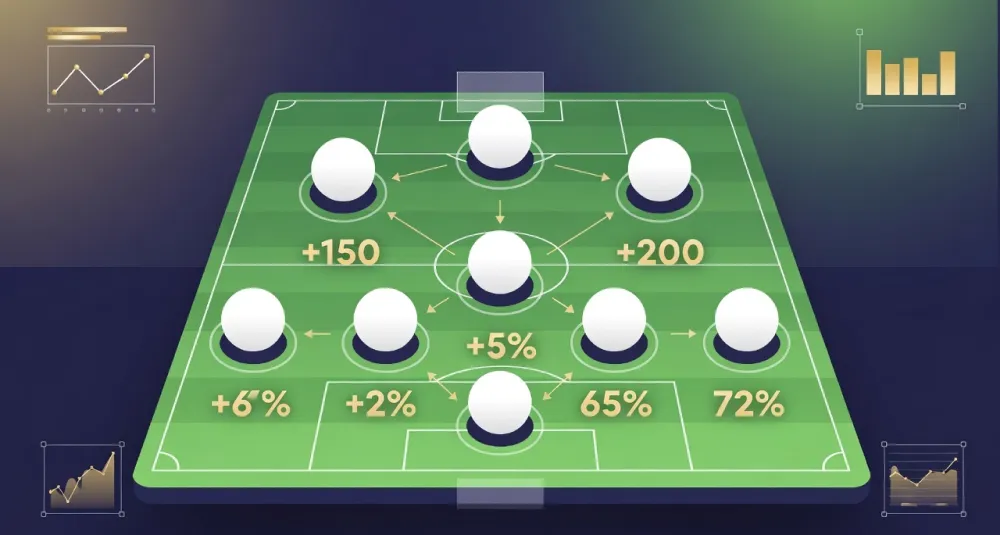
Introduction: Tactics Meet Betting Strategy
Most bettors treat football tactics like abstract art—interesting to discuss over beer but ultimately irrelevant to their betting slips. That’s a catastrophically expensive mistake when betting on Brighton & Hove Albion, a team whose tactical identity directly shapes match outcomes in ways bookmakers consistently misprice.
Brighton don’t just play football—they implement a specific tactical philosophy that creates predictable patterns across possession, defensive vulnerability, and goal-scoring windows. Understanding how Fabian Hürzeler’s system works, how it adapts to different opponents, and where it systematically breaks down transforms betting from guesswork into informed probability assessment. The difference between profitable Brighton betting and slowly bleeding your bankroll often comes down to recognizing tactical matchups that create or destroy value.
Here’s what separates tactical analysis from pseudo-intellectual waffle: actionable betting insights. When we examine Brighton’s 4-2-3-1 formation, we’re not admiring its aesthetic beauty—we’re identifying how it generates corners, creates shooting opportunities, and exposes defensive gaps that show up as both teams to score bets. When we discuss their high press, we’re not praising its intensity—we’re recognizing when opponents have the pace and technical ability to bypass it, creating counter-attacking goals that move total goals markets over projected lines.
Tactical knowledge without betting application is just trivia. But tactical analysis that reveals why Brighton dominate possession yet concede regularly, or why certain opponent formations neutralize Brighton’s strengths entirely, becomes your edge over bookmakers pricing matches based on historical results rather than understanding underlying mechanisms producing those results.
This analysis goes beyond surface-level formation charts. We’re examining how specific player roles within Brighton’s system create betting opportunities, how tactical adjustments mid-match signal profitable live betting moments, and how opponent tactics either amplify or neutralize Brighton’s natural advantages. If you’ve ever wondered why Brighton can demolish one opponent 4-1 and struggle against tactically similar opposition, the answers lie in tactical minutiae that directly inform betting decisions.
Stop betting on Brighton like they’re a random collection of players trying their best. Start recognizing them as a tactical system with specific strengths, exploitable weaknesses, and predictable patterns that create betting value when you know where to look.
Fabian Hürzeler’s 4-2-3-1 System
Brighton’s base formation under Hürzeler looks straightforward on paper—a 4-2-3-1 that appears in team sheets across Europe. But how Brighton implement this shape creates their distinctive identity and the betting opportunities that flow from it.
The foundation starts with the double pivot, typically featuring Carlos Baleba alongside Jack Hinshelwood or whoever Hürzeler trusts in central midfield. These aren’t traditional holding midfielders content to sit deep and recycle possession sideways. Both players actively seek progressive passes that break opponent lines, creating numerical advantages further up the pitch. Their positioning relative to each other shifts constantly based on game state—one pushes forward while the other provides defensive cover, creating dynamic balance that’s beautiful when it works and chaotic when it doesn’t.
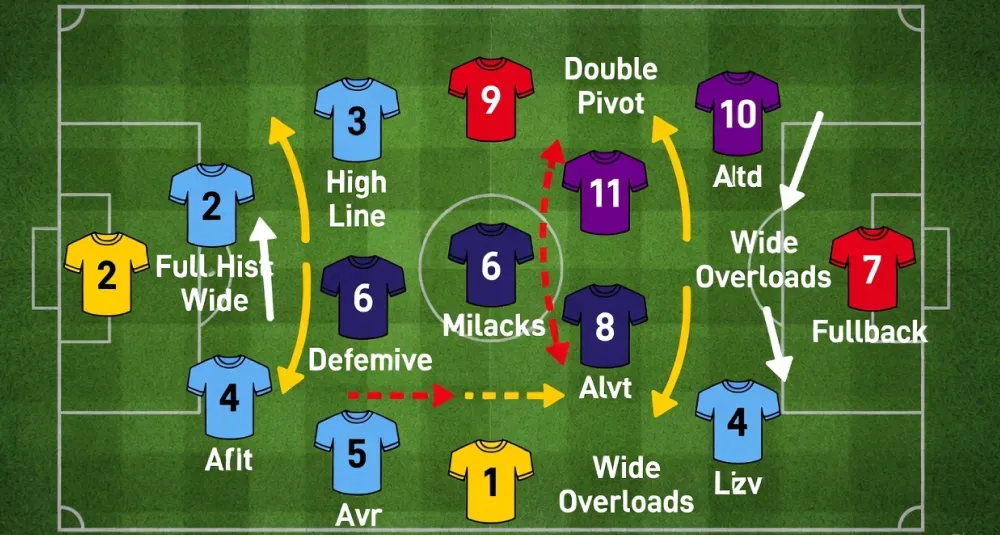
This aggressive midfield positioning creates the first major betting implication: Brighton control possession in most matches regardless of opponent quality. Their midfield dominance translates directly into shot volume, corner accumulation, and territorial advantage that shows up across multiple betting markets. When Brighton face opponents willing to cede midfield, their statistical dominance becomes extreme—65% possession figures that make over corners and Brighton shots on target highly profitable bets.
The back four operates on a deliberately high line that would make some defensive coaches weep. Brighton’s center-backs regularly position themselves near the halfway line when Brighton control possession, compressing the field and enabling their pressing system. This tactical choice creates Brighton’s defining vulnerability: space in behind for opponents with pace to exploit through long balls or quick transitions. From a betting perspective, this vulnerability explains why both teams to score hits with such reliability in Brighton matches. They score plenty themselves, but concede with almost mathematical certainty when opponents possess the tools to exploit high defensive positioning.
Brighton’s fullbacks function more as auxiliary wingers than traditional defenders. They push aggressively high and wide, providing passing options that stretch opponent defensive lines horizontally. When Brighton pin opponents deep, their fullbacks essentially become part of a front six, creating overloads in attacking zones. This aggressive positioning generates corners when attacks break down—Brighton’s fullbacks constantly deliver crosses that either create chances or ricochet out for corners. For corners betting specifically, understanding this tactical instruction to bomb forward explains Brighton’s consistently elevated corner counts.
The attacking quartet behind the striker provides Brighton’s creative force. Kaoru Mitoma on the left operates as a traditional winger with modern freedom to drift inside. His direct dribbling style creates fouls in dangerous areas, making Brighton viable for free kicks in attacking zones and occasionally penalties when he penetrates the box. From a betting standpoint, Mitoma’s presence dramatically increases Brighton’s attacking threat, making his availability worth checking before placing bets on Brighton goal markets.
The right-sided attacker, whether Yankuba Minteh or others, typically focuses more on off-ball movement and stretching defensive lines through width. This creates space centrally for the number ten to operate, a crucial tactical relationship. The right winger’s role appears less glamorous but serves essential systemic purposes—drawing defenders wide and creating space others exploit.
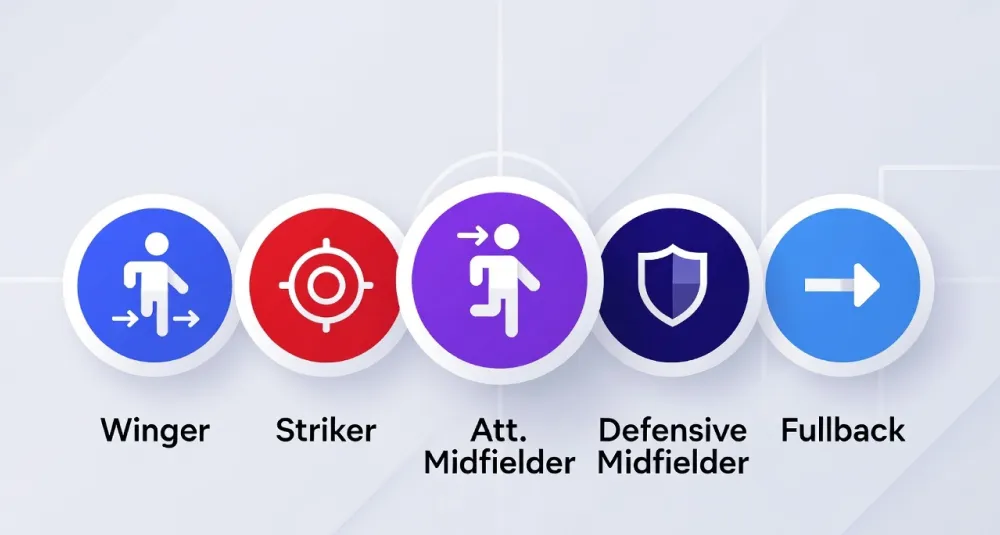
The central attacking midfielder dictates Brighton’s creative flow. Whether it’s João Pedro when fit or others in rotation, this player receives between defensive and midfield lines, turning defense into attack through quick combinations. His positioning drags opposition center-backs out of position, creating space for runner from midfield or the striker. When this position functions optimally—player receiving in dangerous areas and making progressive decisions—Brighton become genuinely dangerous. When it doesn’t, their attacks become predictable and easily defended.
The striker’s role varies based on opponent but generally involves intelligent movement rather than pure physical dominance. Brighton’s striker doesn’t need to win aerial battles against center-backs—he needs to drop short, pull defenders out of position, and create space for attacking midfielders arriving late. Danny Welbeck excels at this when healthy, using experience to manipulate defensive positioning without requiring elite athleticism.
Understanding these player roles matters for betting because injuries or rotations significantly impact how effectively Brighton execute their system. Mitoma’s absence removes their primary source of individual brilliance. João Pedro’s unavailability eliminates their best creative hub. Tracking lineup news before matches allows adjusting betting positions based on whether Brighton field their optimal personnel or makeshift alternatives.
From formation to execution: Brighton’s 4-2-3-1 creates territorial dominance through midfield control, width from fullbacks, and intelligent movement from attackers. This generates corners, shots, and possession that show up predictably in betting markets. But the same aggressive positioning creates defensive vulnerability opponents exploit when they have the right attributes. The formation itself creates the betting edges—you just need to recognize which edges materialize against specific opponents.
Understand the current era by reading about Brighton under Fabian Hurzeler.
How the Press Creates Betting Opportunities
Brighton’s pressing system isn’t just defensive work rate—it’s a coordinated tactical mechanism designed to win the ball high up the pitch and immediately create goal-scoring chances. Understanding how this press functions, when it succeeds, and when it fails provides direct betting insights that separate informed bettors from those guessing based on team names.
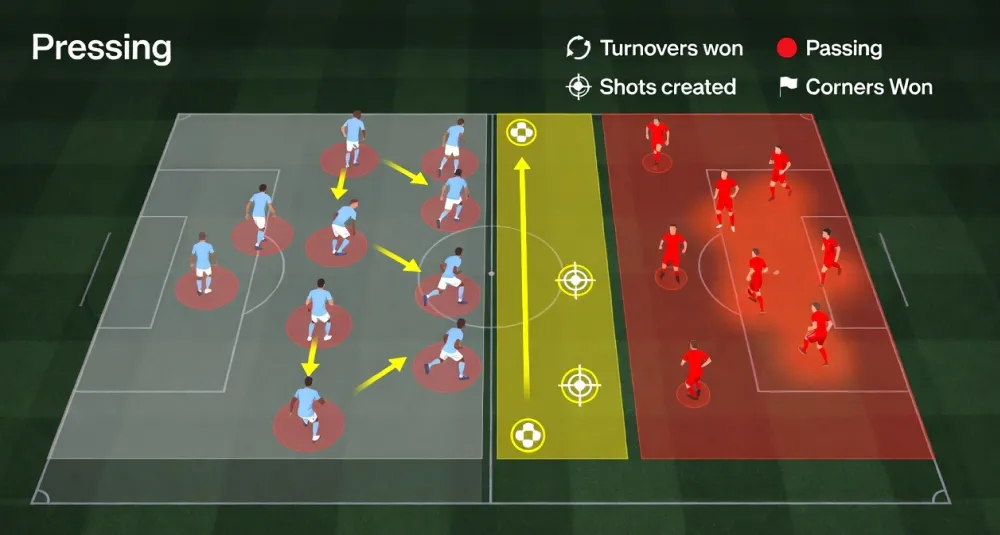
The press triggers when opponents try building from the back. Brighton’s striker and attacking midfielders immediately engage opposition defenders and goalkeeper, cutting off easy passing lanes. This forces opponents into uncomfortable decisions: play risky passes through pressure, go long and surrender possession, or attempt dribbling past aggressive pressing players.
When opponents lack technical quality or composure under pressure, they make mistakes. These errors happen in dangerous areas where Brighton immediately threaten goal. The sequence happens predictably: press triggers, opponent makes poor decision under pressure, Brighton win possession 30 yards from goal, immediate shot or dangerous attack follows.
From betting perspective, this sequence creates value in first-half goals markets and early corners betting. Brighton score early regularly because their press generates chances before opponents adjust. When facing technically limited opponents, backing Brighton to score in the first 20 minutes or Brighton first half goals exploits this pressing advantage when it’s most effective.
The press also generates corners at elevated rates. When opponents can’t play through pressure cleanly, they often boot the ball long or wide where it goes out for corners. Brighton’s aggressive pressing positioning means their players contest these loose balls near opponent penalty areas, winning corners even when they don’t win possession cleanly. Against teams that struggle building from the back, betting Brighton over corners becomes straightforward exploitation of tactical mismatch.
Shot volume increases dramatically when the press functions properly. Winning possession 35 yards from goal creates immediate shooting opportunities. Brighton might not always score from these chances, but the volume of shots accumulates reliably. Brighton shots on target or total shots props offer value when Brighton face press-vulnerable opponents—the shooting opportunities come regardless of whether Brighton finish clinically.
However, the press creates defensive exposure when it fails. Brighton commit players forward to press, leaving space behind if opponents bypass pressure with quality passes. Teams with technical defenders comfortable playing through pressure, or those willing to play direct balls over the press, create dangerous counter-attacking situations.
This pressing vulnerability makes opponent goals and both teams to score valuable bets when Brighton face technically accomplished opponents. The press generates chances for Brighton but simultaneously creates counter-attacking opportunities for opponents who can play through it. When both teams possess the tools to hurt each other—Brighton through possession and pressing, opponents through counters—total goals markets and both teams to score become logical betting targets.
The press intensity varies based on game state. When Brighton lead, they often reduce pressing intensity to conserve energy and protect their advantage. This defensive shift creates live betting opportunities—backing total goals unders or opponent goals when Brighton sit deep protecting leads. The tactical adjustment transforms matches from open, chance-heavy affairs into more conservative contests where goals become scarce.
Conversely, when Brighton trail, they intensify their press desperately. This creates chaos: more chances for Brighton to equalize, but also more space for opponents to exploit on counters. Late-match pressing when Brighton chase games makes total goals overs attractive in live betting markets. The desperation pressing creates end-to-end action that benefits goals betting.
Weather impacts pressing effectiveness. Heavy rain makes passing through pressure more difficult as the ball skids unpredictably. Strong wind disrupts passing accuracy. When weather conditions favor direct play over technical passing, Brighton’s press becomes more effective because opponents struggle executing quality passes regardless of their technical ability. Checking weather forecasts before matches provides marginal edge in assessing whether conditions favor Brighton’s pressing game.
Opponent formation determines pressing viability. Teams playing with three center-backs provide numerical advantages when building from the back, making them harder to press effectively. Brighton’s striker and attacking midfielders can’t cover three defenders plus a goalkeeper, creating passing lanes opponents exploit. Against back-three systems, Brighton’s pressing becomes less effective, reducing the tactical advantage that creates their typical betting edges.
The press creates betting opportunities when it works and defensive vulnerability when it doesn’t. Identifying which opponents possess the attributes to bypass Brighton’s pressure—technical quality, defensive comfort on the ball, willingness to play long—separates profitable pressing-based betting from backing Brighton blindly regardless of opponent characteristics. The press isn’t inherently good or bad for betting purposes—it’s a tactical factor creating specific opportunities against specific opponent profiles.
Possession Dominance and Market Implications
Brighton’s possession statistics rarely drop below 55%, and against weaker opponents regularly exceed 65%. This isn’t accidental—it flows directly from their tactical setup designed to control the ball and dictate match tempo. But possession dominance creates specific betting implications beyond the obvious “Brighton should win because they have the ball more.”
Corners accumulate naturally with possession dominance. Brighton’s attacking patterns funnel play wide where crosses either create chances or deflect out for corners. Their fullbacks push high and deliver service into the box regularly. Even when attacks break down, the ball often ends up with Brighton retaining possession in wide areas where subsequent crosses generate more corner opportunities. This mechanical relationship between possession, attacking width, and corner accumulation makes Brighton over corners one of the most reliable betting patterns in Premier League.
Against opponents who sit deep and defend compactly, Brighton’s corner count increases further. Teams defending their penalty area in numbers create congestion where crosses and cutbacks ricochet off bodies and out for corners. Brighton might struggle scoring from open play against packed defenses, but the corners keep coming regardless. When Brighton face defensive opponents expected to sit deep, backing Brighton over corners becomes even higher probability bet than usual.
Shot volume follows possession dominance predictably. More possession means more attacks, which means more shots. Brighton consistently rank among Premier League leaders in shots per game because they create so many attacking sequences through possession retention. For betting purposes, Brighton shots on target or total shots props offer value especially against opponents lacking quality to retain possession themselves. When possession imbalance reaches extreme levels, Brighton’s shot volume becomes almost guaranteed.
However, possession dominance doesn’t guarantee goals. Brighton can dominate possession while creating limited high-quality chances against well-organized defenses. The difference between sterile possession and dangerous possession depends on opponent defensive quality and Brighton’s ability to break down compact blocks. Possession percentage alone doesn’t predict goals—but it predicts shots and corners with remarkable reliability.
This creates betting strategy: when Brighton face organized defensive teams, back their process statistics (corners, shots) rather than outcome statistics (goals). The possession will generate corner and shot opportunities regardless of whether Brighton finish clinically. When Brighton face more open, attacking opponents, the possession creates goal-scoring chances more directly, making Brighton goals and total goals more attractive bets.
Possession also impacts match tempo and total cards markets. When Brighton dominate possession, matches become more controlled with fewer fouls and cards. Opponents sitting deep and defending don’t commit tactical fouls frequently because they’re rarely caught out of position. Brighton’s possession game emphasizes passing over physical duels, reducing card accumulation. Against possession-oriented opponents, backing under cards becomes logical exploitation of tactical setup reducing foul frequency.
The exception occurs when opponents become frustrated by Brighton’s possession dominance and start fouling cynically to disrupt rhythm. Against aggressive, physical opponents who don’t want to chase Brighton’s possession all match, cards accumulate as tactical fouls increase. Reading opponent’s tactical approach—patient defensive setup versus aggressive disruption—indicates whether cards markets trend over or under.
Live betting opportunities emerge from possession patterns. When Brighton dominate possession early but don’t score, goal markets become more favorable as the match progresses. Their sustained pressure eventually creates chances even against organized defenses—the volume of attacks increases goal probability over time. Backing Brighton goals in-play after 20-30 minutes of possession dominance without goals exploits the increasing likelihood their pressure produces results.
Possession dominance also impacts opponent goal markets. When opponents defend deep against Brighton’s possession, they’re not creating attacking chances themselves. This makes opponent goals less likely, benefiting under goals markets for away teams. However, the same possession dominance leaves Brighton vulnerable to rare counter-attacks, creating betting paradox: opponents get few chances but when they do, those chances carry high goal probability.
This paradox explains why backing both teams to score works despite Brighton’s possession dominance. Brighton score from their possession-based chances, opponents score from their counter-attacking chances, and bookmakers don’t always price this dynamic accurately. The possession statistics suggest Brighton control matches, but the counter-attacking vulnerability ensures opponents threaten regardless of territorial disadvantage.
From betting perspective, possession dominance creates corner and shot value, but doesn’t guarantee goals against quality defenses. Understanding this distinction prevents overvaluing Brighton’s possession advantage while still exploiting the process statistics their possession game generates. Track opponent defensive quality separately from Brighton’s possession numbers to identify which betting markets offer genuine value versus which markets appear attractive but don’t carry actual edge.
Defensive Vulnerabilities and Betting Implications
Brighton’s defensive record reveals their tactical identity’s inherent cost: aggressive attacking positioning and high defensive lines create systematic vulnerabilities opponents exploit regularly. Understanding these defensive weaknesses transforms how you bet Brighton matches, particularly in markets involving opponent goals and both teams to score.
The high defensive line represents Brighton’s most exploitable weakness. Their center-backs position themselves near the halfway line during possession, compressing the field to support their pressing game. This tactical choice works brilliantly when opponents can’t exploit the space behind—but against teams with pace, the vulnerability becomes glaring.
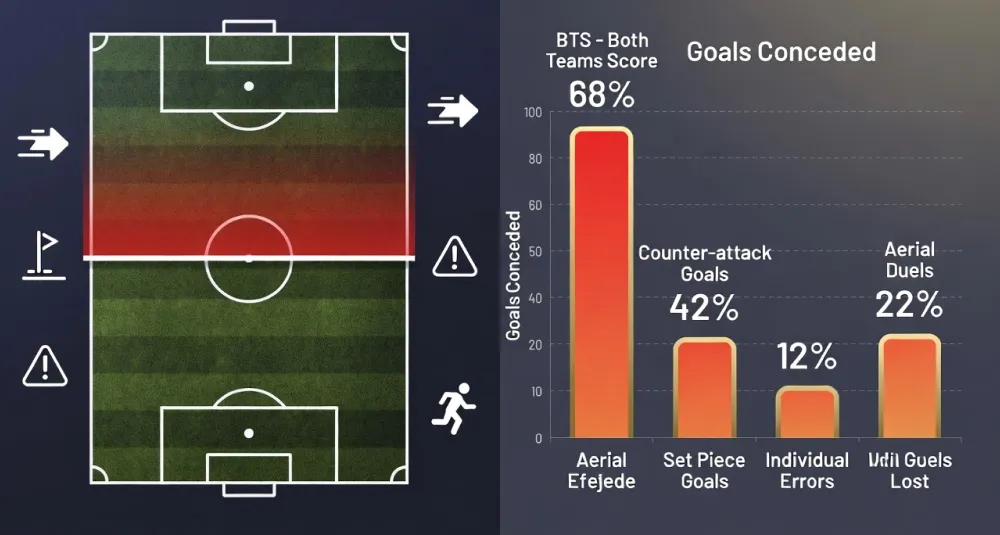
From a betting perspective, this vulnerability makes opponent goalscorer markets interesting when Brighton face teams with quick forwards. When opponents possess the pace to exploit space in behind, backing their strikers for anytime goalscorer or shots on target props exploits Brighton’s systematic weakness. The key is identifying which opponents have the attributes—pace, directness, willingness to play long—to actually capitalize on the space Brighton concede.
Brighton’s vulnerability to counter-attacks stems directly from their aggressive positioning. When Brighton lose possession high up the pitch, they often have six or seven players committed forward. Opponents winning the ball can attack against a back four with minimal midfield support, creating dangerous situations where Brighton defend outnumbered.
Statistical tracking shows Brighton concede shots from counter-attacks at rates significantly above league average. They’re not incompetent defensively—they’re structurally vulnerable to transitions given how they play. For bettors, this means backing both teams to score makes sense even in matches Brighton dominate statistically. Their defensive structure guarantees opponent chances regardless of overall territorial control.
Set-piece defending presents another exploitable weakness. Brighton’s center-backs lack elite height compared to some Premier League partnerships, making them vulnerable to aerial bombardment from corners and free kicks. Opponents who excel at set pieces—particularly those with tall strikers and well-drilled routines—create problems Brighton struggle solving.
The betting angle: when Brighton face opponents with dangerous set-piece records, backing opponent goals becomes more attractive. The combination of Brighton’s height disadvantage and opponents’ set-piece quality creates goal-scoring probability that shows up reliably enough to exploit. Check opponent set-piece statistics before matches to identify these mismatches.
Individual defensive errors occur with concerning frequency given the difficulty Brighton’s system creates for defenders. Playing a high line requires perfect judgment about when to step up versus when to drop. Defenders make these split-second decisions dozens of times per match, and mistakes happen. When they do against quick opponents, goals result.
These errors show up randomly enough that predicting specific matches where they’ll occur proves impossible. But knowing they happen regularly informs general betting approach. Brighton matches see defensive mistakes more frequently than teams playing deeper, more conservative systems. Factor this error rate into probability calculations rather than assuming Brighton’s defensive record reflects only opponent quality.
The goalkeeper’s sweeper-keeper role creates additional vulnerability. Brighton’s goalkeeper must rush off his line regularly to clear balls over the top, essentially functioning as an additional outfield player. This aggressive positioning occasionally results in poor decisions—rushing out too far, mistiming clearances, or getting caught out of position when opponents chip balls over him.
These goalkeeper errors remain relatively rare but spectacular when they occur. From a betting perspective, they’re too unpredictable to specifically target but contribute to Brighton’s general defensive unreliability. When calculating both teams to score probability, Brighton’s goalkeeper vulnerability adds marginal percentage points to opponent scoring likelihood.
Fatigue impacts Brighton’s defensive performance more than their attacking output. Late in matches or during fixture congestion, Brighton’s defensive concentration and physical capacity to recover defensively diminishes noticeably. Late goals conceded aren’t bad luck—they’re predictable consequences of fatigue reducing defensive effectiveness in a system requiring constant concentration.
For betting purposes, Brighton matches following midweek fixtures or late in seasons when fatigue accumulates see increased defensive vulnerability. Backing both teams to score or opponent goals during these periods exploits Brighton’s reduced capacity to maintain defensive standards. Similarly, live betting on total goals overs in the final 20 minutes recognizes fatigue-induced defensive lapses creating chances.
Communication breakdowns in defensive organization create occasional chaos. Brighton’s system requires defenders communicating constantly about who steps up, who holds, and who tracks runners. When communication fails, opponents find themselves completely unmarked in dangerous positions. These organizational breakdowns increase when Brighton face unfamiliar opponents or when defenders don’t have established partnerships.
The betting implication remains general rather than specific: Brighton’s complex defensive requirements mean mistakes happen regardless of opponent. Budget for Brighton conceding in most matches even when they dominate. The defensive system isn’t broken—it’s optimized for offense while accepting defensive consequences.
Conclusion: Tactical Knowledge as Betting Edge
Brighton’s tactical identity—aggressive pressing, possession dominance, defensive vulnerability—creates predictable patterns that translate into betting edges when properly understood. The formations Hürzeler deploys, the player roles within those formations, and the opponent-specific adjustments all impact match outcomes in ways bookmakers imperfectly price.
The tactical framework we’ve explored here provides structure for analyzing Brighton matches beyond surface-level statistics. When you understand why Brighton generate so many corners, you recognize matches where corner betting offers value. When you grasp how their pressing creates turnovers but also defensive exposure, both teams to score stops being random outcome and becomes logical consequence of tactical choices.
This tactical knowledge compounds with venue considerations and opponent analysis to create comprehensive betting approach. Brighton at home playing their preferred 4-2-3-1 against technically limited opponents represents completely different proposition than Brighton away against elite opponents who can bypass their press. Recognizing these distinctions requires tactical fluency that most bettors lack.
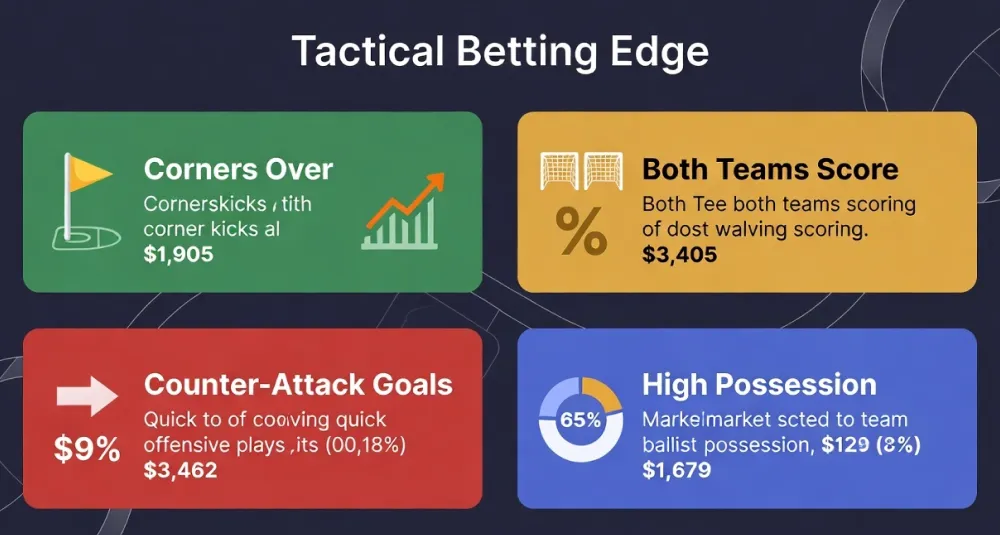
Build your Brighton betting around tactical reality rather than hoping their talented players produce results. The tactics explain the results, and understanding the tactics before matches allows anticipating outcomes rather than reacting to them. That anticipatory edge, applied consistently across sufficient sample sizes, separates profitable betting from expensive entertainment.
Track how tactical factors impact your betting results. Calculate separate ROI for matches where Brighton face press-vulnerable opponents versus technically accomplished opponents who play through pressure. Identify which tactical scenarios produce your strongest results and concentrate action there. Let tactical patterns guide bet selection rather than betting every Brighton match hoping for the best.
Brighton betting rewards tactical sophistication. The team implements a specific, analyzable system that creates opportunities and vulnerabilities in predictable ways. Master the tactical language that explains their performances, and you’ll possess an edge most bettors never develop. That edge won’t guarantee every bet wins—variance ensures losing streaks happen regardless—but it tips probability calculations in your favor enough that long-term profits become achievable goal rather than hopeful fantasy.
Master the pitch with our Brighton wagering site.
