Brighton’s Set Piece Vulnerability
 Available in US
Set pieces represent one of football’s great paradoxes for Brighton & Hove Albion. They generate corners at rates matching the Premier League’s elite, yet their conversion has historically lagged behind expectation. They defend set pieces with the personnel and positioning of a well-drilled unit, yet goals leak in from corners and free kicks with frustrating regularity. This two-sided set piece profile creates specific betting opportunities that most casual bettors overlook entirely.
During the 2022-23 season, Brighton’s set piece statistics revealed a stark disconnect between process and outcome. They scored six goals from corners and free kicks against an expected total of fourteen. That eight-goal underperformance represented one of the largest gaps in the Premier League, a club creating quality set piece opportunities but failing to convert them at sustainable rates. The following seasons showed improvement, but the underlying tension between Brighton’s set piece generation and their execution persists in ways that affect betting markets.
Understanding this dynamic requires examining both sides of Brighton’s set piece game separately, recognising that their attacking and defensive set piece profiles create distinct betting angles.
The Attacking Set Piece Reality
Brighton generate set piece opportunities prolifically. Their possession dominance, high pressing, and territorial control produce corners at rates that place them among the league’s most active from dead ball situations. During the 2024-25 campaign, Hürzeler’s side finished with 13 set piece goals, ranking fifth in the Premier League. They created 51 key passes from set piece situations, demonstrating genuine quality in their delivery and movement.
The betting implications for attacking set pieces focus primarily on goalscorer markets. Brighton’s aerial threats deserve attention when backing anytime goalscorer bets. Centre-backs who attack corners aggressively have scored important goals from set pieces throughout Brighton’s Premier League tenure. Jan Paul van Hecke emerged as a genuine threat from corners during the 2024-25 season, contributing goals from attacking positions that his defensive role wouldn’t typically suggest.
Identifying which Brighton defenders start each match matters for these bets. Not all of their centre-backs possess equal aerial threat. Some are purely defensive headers of the ball, while others attack crosses with genuine intent. When Brighton’s most aerially aggressive defenders start, their anytime goalscorer odds often offer value because bookmakers primarily price forwards and attacking midfielders as likely scorers.
First goalscorer markets for Brighton defenders represent longer odds plays that occasionally offer value. In matches where Brighton face opponents weak at defending set pieces, the probability of an early Brighton set piece goal increases. Home fixtures against teams that concede frequently from corners represent optimal conditions for speculative bets on Brighton’s aerial threats scoring first.
The Defensive Set Piece Vulnerability
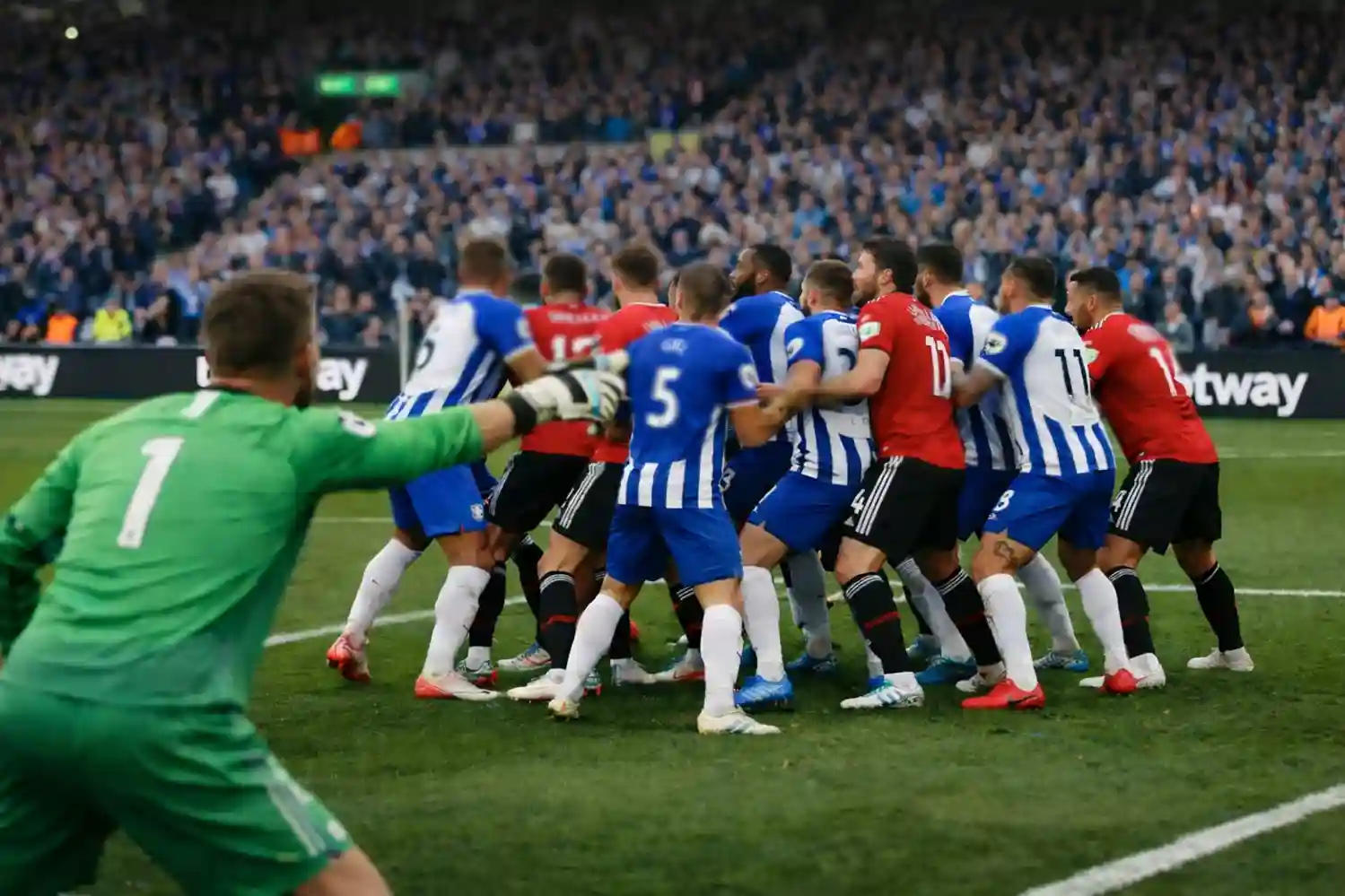
Brighton’s defensive record from set pieces has fluctuated across recent seasons, but the underlying vulnerability persists. They concede from corners and free kicks at rates that reflect genuine weakness rather than random variance. This creates betting opportunities on the opposition side of the equation.
When Brighton face opponents with genuine set piece quality, backing opposition defenders and aerial specialists in anytime goalscorer markets makes statistical sense. Teams like Nottingham Forest, Aston Villa, or any side with dedicated set piece routines and dangerous delivery personnel pose structural problems for Brighton’s set piece defence that they haven’t consistently solved.
The key research involves identifying opponent players who specialise in scoring from set pieces. Some Premier League forwards and defenders consistently appear on goalscorer lists primarily through set piece contributions. When these specialists face Brighton, their anytime goalscorer odds may not fully reflect the elevated probability created by Brighton’s defensive set piece weakness.
BTTS markets receive indirect support from Brighton’s set piece vulnerability. Even opponents who struggle to create open play chances against Brighton can threaten from dead balls. This floor of goal probability helps explain why Brighton’s matches hit BTTS at such elevated rates. Teams that might otherwise be shut out against Brighton’s possession dominance maintain scoring chances through set pieces that Brighton defend imperfectly.
Corners Market Implications
Brighton’s set piece profile affects corners markets in both directions. They generate corners through sustained attacking possession, often accumulating five, six, or more in home fixtures against defensive opponents. Their set piece vulnerability means they also concede corners at reasonable rates as opponents seek dead ball opportunities that offer paths to goals.
Match corners totals benefit from this two-way set piece activity. Brighton matches often produce elevated corner counts because Brighton generate them offensively while opponents recognise that corners represent genuine scoring opportunities against their defence. When both teams view corners as valuable, the match naturally produces more of them.
Brighton team corners over lines frequently offer value, particularly at home where their possession dominance peaks. The progression from possession to territorial dominance to corner generation follows predictable patterns that bookmakers sometimes underprice. Combining understanding of Brighton’s possession patterns with awareness of their set piece tendencies creates comprehensive analytical frameworks for corners betting.
Personnel Matters
Brighton’s set piece effectiveness varies significantly based on who delivers set pieces and who attacks them. Tracking which players are available and starting affects set piece-related betting decisions considerably.
On the attacking side, Brighton’s primary set piece takers determine the quality of delivery into dangerous areas. When their most effective corner and free kick takers start, set piece goal probability increases. When they’re absent through injury, suspension, or rotation, the quality drops measurably. Checking team news before placing set piece-related bets isn’t optional for serious bettors.
Defensively, Brighton’s centre-back combinations affect set piece vulnerability. Some pairings defend aerial balls more effectively than others. When Brighton field their tallest, most aerially dominant central defenders, their set piece weakness moderates. When injuries or rotation force less physically imposing combinations, the vulnerability spikes.
Timing and Context
Set piece goals don’t distribute randomly throughout matches. Research on Premier League set pieces shows scoring patterns that favour certain match phases. Understanding these timing patterns helps with live betting decisions related to Brighton’s set piece profile.
Teams often score from corners and free kicks late in matches when fatigue affects concentration and marking discipline. Brighton’s vulnerability may increase as matches progress and players tire. Live betting opportunities can emerge when Brighton lead by a single goal late in matches against opponents with quality set piece delivery. The opponent’s desperation combines with Brighton’s set piece weakness to create scenarios where an equaliser from a corner or free kick becomes surprisingly probable.
Similarly, early set piece goals can define match trajectories. When Brighton concede early from set pieces, the match opens up as they chase the game, often producing the high-scoring affairs that BTTS and over goals bettors seek. The set piece itself becomes a catalyst for match dynamics that create additional betting value.
Building Set Piece Analysis Into Your Framework
Effective set piece analysis requires accumulating knowledge about multiple variables and synthesising them before each Brighton fixture. The work involves understanding Brighton’s own set piece personnel and tendencies, researching opponent set piece strengths and specialists, checking team news for relevant absences on both sides, considering match context that affects set piece importance, and identifying which betting markets the analysis most directly affects.
This sounds complicated, and truthfully it is. Set piece betting edges don’t emerge from simple rules or shortcuts. They come from understanding the specific mechanisms that produce set piece goals and recognising when those mechanisms align favourably with betting market pricing.
Brighton’s set piece profile won’t change dramatically under Hürzeler’s management. They’ll continue generating corners and free kicks prolifically while converting them at rates that occasionally lag behind expectation. They’ll continue defending set pieces with reasonable but imperfect organisation, conceding from dead balls at rates that exceed what their overall defensive quality might suggest. These patterns create durable betting opportunities for those willing to do the analytical work required to identify them match by match.
The edges aren’t massive on any individual bet. Set piece analysis won’t make you wealthy overnight. But incorporated into a broader Brighton betting framework that includes tactical analysis, statistical foundations, and proper bankroll management, understanding the Seagulls’ set piece peculiarities adds another source of value that compounds over time into meaningful profit.
