Brighton Against Possession-Heavy Teams
 Available in US
When Brighton face fellow possession-oriented teams, the usual betting assumptions require significant recalibration. Their typical profile as territorial dominators evaporates when opponents refuse to concede the ball. The tactical chess matches that result produce different statistical patterns, different goal distributions, and different value opportunities than Brighton’s standard Premier League fixtures.
These matches represent the minority of Brighton’s calendar. Most Premier League opponents willingly surrender possession to Brighton, defending compactly and seeking counter-attacking opportunities. But when Arsenal, Manchester City, or other possession-focused teams arrive, Brighton cannot assume the territorial control that drives their usual statistical outputs.
Understanding how Brighton adapt to shared possession scenarios, and how these adaptations affect betting markets, provides edge in fixtures that casual analysis struggles to assess accurately.
The Possession Battle Reality
Brighton under Fabian Hurzeler average around 53% possession across all Premier League matches, down from the 60%+ figures under Roberto De Zerbi but still comfortably above league average. This figure masks substantial variation: against relegation candidates, Brighton might hold 65-70% possession, while against elite possession teams, their share drops toward 45-50%.
When possession approaches parity, Brighton’s usual advantages diminish. Their corner generation drops because they don’t sustain the territorial pressure that forces defensive actions. Their shot volume decreases because they can’t methodically work into shooting positions. Their expected goals figures moderate because chance creation requires more than patient build-up against organised defences.
The betting implications follow directly. Markets built on Brighton’s possession dominance, including corners, shots, and certain goals markets, require adjustment against possession opponents. The baseline expectations that inform value assessments shift substantially.
Goals Market Adjustments
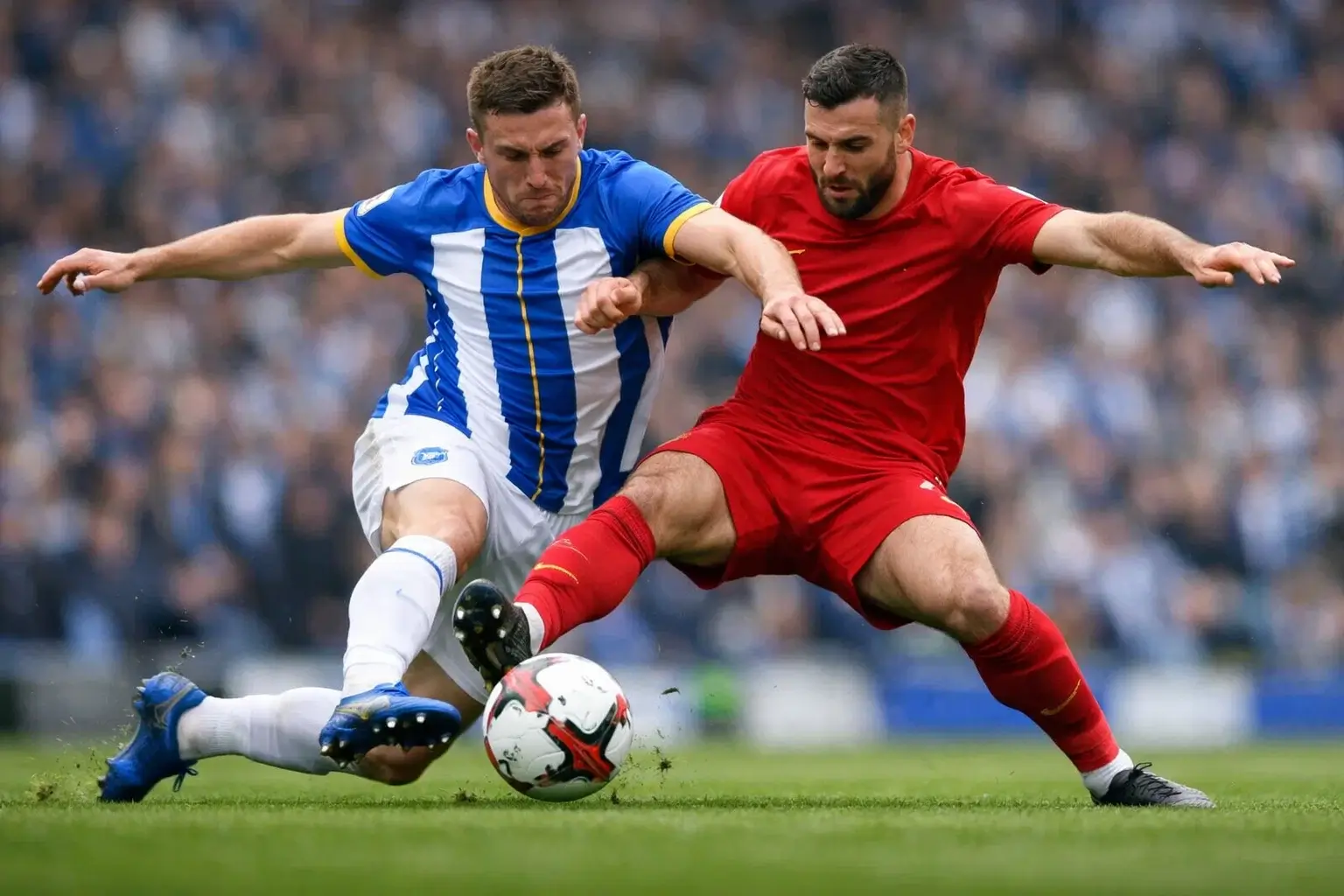
Brighton’s over 2.5 goals rate of 71% during 2024-25 reflected their overall fixture profile, including many matches against opponents who surrendered possession. Against possession-heavy opponents, this rate drops because both teams’ goal creation becomes more difficult.
Matches between possession teams often produce tactical battles where neither side generates numerous clear chances. Arsenal and Manchester City defend systematically, making Brighton’s build-up play less effective than against less organised opponents. Simultaneously, Brighton’s pressing and defensive organisation trouble elite teams’ attacks, reducing their goal creation.
The result tends toward lower goal totals than either team’s seasonal averages suggest. Under 2.5 goals becomes more attractive against possession opponents than against Brighton’s typical fixtures. The tactical similarity produces caution rather than open, transitional matches.
However, the quality on display means both teams remain capable of scoring when they do create chances. BTTS can still hit even with suppressed total goals because both teams possess the attacking quality to convert limited opportunities. A 1-1 or 2-1 scoreline represents a modal outcome rather than the 3-2 or 4-2 affairs that characterise Brighton’s matches against counter-attacking teams.
Monitor the external factors like weather and pitch conditions that impact ball movement.
Corners Market Recalibration
Brighton’s corner generation against possession opponents falls substantially below their seasonal average. When opponents control territory for extended periods, Brighton cannot sustain the attacking pressure that produces blocked shots and forced clearances.
Team corners lines for Brighton should be approached with caution against possession-heavy opponents. Lines set based on their overall season average may overstate their output in specific matches where territorial control becomes contested.
Match corners totals also require adjustment, but the direction is less clear. While Brighton’s contribution drops, quality possession opponents generate corners through their own territorial pressure. The net effect on match corners depends on which team achieves greater control and how effectively they convert possession into attacking actions.
The safer corners approach against possession opponents involves avoiding aggressive Brighton team corners overs while potentially considering match corners markets that don’t require Brighton to dominate corner generation alone.
Tactical Matchup Specifics
Manchester City matches historically suit Brighton better than other possession battles. Pep Guardiola’s commitment to attacking football creates space for Brighton’s counter-pressing and quick transitions. City don’t defend as compactly as Arsenal, leaving gaps that Brighton’s quality attackers exploit. BTTS and moderate goal totals characterise these fixtures because both teams create chances despite shared possession.
Arsenal under Mikel Arteta present different challenges. Arsenal’s defensive structure when out of possession frustrates Brighton’s build-up. The Gunners sit in disciplined shapes that limit space between lines, making Brighton’s patient passing less effective. Arsenal matches often produce fewer goals than City fixtures despite both being possession battles because Arsenal’s defensive organisation exceeds City’s when priorities shift.
Chelsea depending on their tactical setup can present either City-like openness or Arsenal-like compactness. The Blues’ approach varies by manager and match context, making pre-match assessment of their likely setup important for betting decisions.
Liverpool under Arne Slot combine possession commitment with intense pressing that troubles Brighton’s build-up. These matches become midfield battles where ball progression difficulties for both teams can suppress goal totals or produce breakthrough goals when pressing wins possession in dangerous areas.
Shots and Shot Markets
Brighton’s shots per match drop against possession opponents because they spend more time defending and less time attacking. Their typical 13-14 shots per match might fall toward 8-10 against elite possession teams who limit their attacking opportunities.
Player shots props require significant adjustment in these fixtures. Kaoru Mitoma’s shots total might need reducing by 20-30% against Arsenal compared to his line against Southampton. Danny Welbeck’s central positioning matters less when Brighton attack less frequently.
However, the quality of Brighton’s shots may improve even as quantity decreases. Against possession opponents, Brighton’s chances often arise from pressing recoveries or quick transitions rather than sustained build-up. These situations create clearer opportunities than patient attacks against packed defences. Shot on target percentages might hold or even improve despite reduced volume.
Draw Probability Enhancement
Possession battles frequently end in draws because both teams possess the quality to avoid defeat without necessarily achieving victory. The tactical caution that characterises these matches, combined with both teams’ defensive capability, creates conditions where points get shared.
Brighton’s matches against top possession teams during 2024-25 included multiple draws. The 1-1 away at Arsenal represented both teams’ quality cancelling out. Similar patterns appeared against other quality opponents capable of matching Brighton’s tactical sophistication.
Draw odds against possession opponents typically offer better value than Brighton’s overall draw rate suggests. These specific fixtures produce stalemates at elevated rates because the tactical matchup favours caution over aggression from both sides.
Double chance markets, backing Brighton or draw, provide another angle. If Brighton’s win probability decreases but draw probability increases, the combined outcome might offer value at prices that assume normal win and draw distributions.
Live Betting in Possession Battles
Possession battles create distinctive live betting dynamics because early scorelines can be misleading about match control.
If Brighton trail against a possession opponent, their ability to recover depends on whether they can disrupt the opponent’s control. Quality possession teams protect leads effectively, making Brighton comebacks more difficult than against counter-attacking opponents who invite pressure.
If Brighton lead against a possession opponent, the match dynamic shifts favourably. Opponents must push forward to equalise, potentially creating space that Brighton’s quality attackers exploit. Backing Brighton after they lead against possession teams offers value when opponents’ need to attack opens the match.
Goalless periods in these matches shouldn’t trigger panic live betting. Possession battles often remain scoreless longer than Brighton’s typical fixtures before breaking open. Patience in live betting, waiting for genuine value rather than reacting to temporary scoreline concerns, improves results.
Form Sensitivity

Brighton’s form matters particularly in possession battles because these matches expose any technical or tactical weaknesses that lesser opponents can’t punish. A technically sloppy Brighton might still beat Southampton through superior quality, but Arsenal or City punish every misplaced pass.
Monitoring Brighton’s recent performances helps identify whether they’re playing at the level needed to compete in possession battles. During confident periods, they match elite opponents. During struggling periods, quality opponents expose their limitations.
Similarly, opponent form and personnel matter more in these matches. Arsenal without key midfielders might struggle to control matches as effectively. City’s injury situations affect their pressing intensity. These factors influence the tactical matchup in ways that don’t apply against lesser opponents.
Practical Framework
For matches against possession-heavy opponents, adjust standard Brighton betting approaches:
Reduce expectations for Brighton corners and shots totals. The territorial dominance that drives these statistics diminishes against quality opponents.
Favour under goals or moderate over lines rather than aggressive over bets. These matches tend toward 2-3 total goals rather than 4+ goal affairs.
Increase draw probability assessments. Tactical caution and quality on both sides produce stalemates at elevated rates.
Consider BTTS with caution. Both teams can score, but the reduced chance creation means either team might blank more frequently than against typical opponents.
Monitor team news closely. Personnel matters more in these matches because quality execution determines outcomes.
Possession battles against elite opponents represent Brighton’s most tactically complex fixtures. The betting approach must evolve accordingly, abandoning assumptions that work against lesser opponents and recognising the distinctive dynamics these matches produce.
Adapt your strategy from our Seagulls betting hub.
