Advanced Brighton Betting Tactics: xG, Hedging & Arbitrage
 Available in US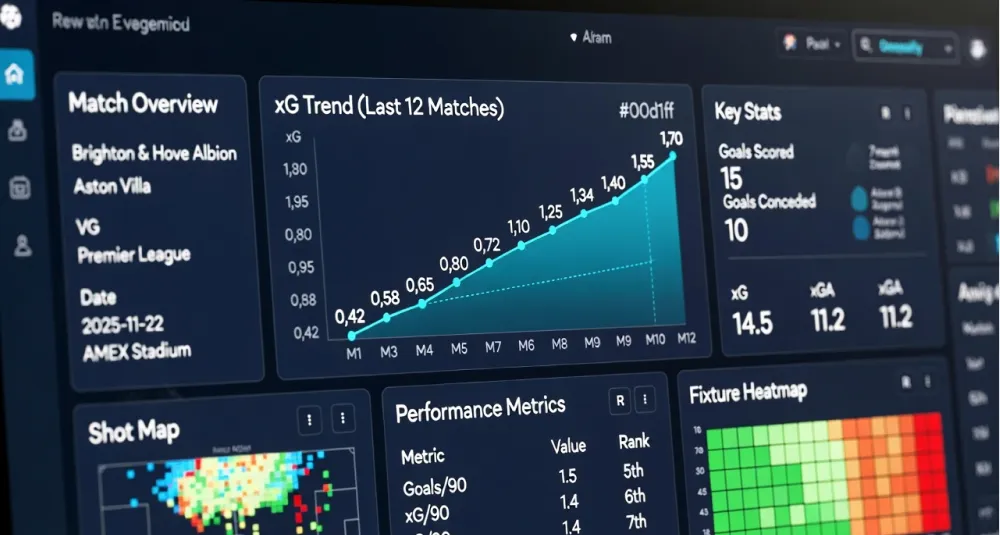
Introduction: Beyond Basic Betting
Most bettors stop their education at understanding odds and picking winners. That’s like learning to drive but never figuring out how to read traffic patterns or anticipate other drivers’ mistakes. Advanced betting tactics separate consistent winners from the mass of hopeful gamblers who occasionally hit but mostly lose over time. For Brighton betting specifically, these sophisticated approaches create edges that basic analysis misses entirely.
The techniques we’re exploring here aren’t theoretical exercises designed to impress other bettors with your vocabulary. They’re practical tools that directly increase profitability when applied correctly to Brighton fixtures. Expected goals analysis reveals when Brighton’s underlying performance diverges from results, creating betting opportunities before markets correct. Hedging strategies allow locking in profits or minimizing losses when circumstances change mid-match. Arbitrage opportunities, while rare, provide guaranteed returns when bookmaker pricing creates inefficiencies.
Here’s what makes these advanced tactics essential for serious Brighton betting: the edge in modern football betting comes from processing information more effectively than competitors rather than possessing secret information they lack. Everyone can access match statistics, injury reports, and tactical analyses. The differentiator becomes how you interpret that information and what betting structures you build around your insights. Advanced tactics provide frameworks for extracting maximum value from analytical advantages you’ve already developed through studying Brighton’s characteristics.
The mistake recreational bettors make is dismissing advanced tactics as unnecessary complexity. They stick with simple win-draw-loss betting because it feels straightforward, never realizing they’re competing against sophisticated operators using every available edge. That’s fine if betting is purely entertainment, but if you’re reading this guide seeking actual profitability, basic approaches won’t cut it against modern betting markets.
We’re not suggesting you need PhD-level mathematics or proprietary data access. The tactics explored here use publicly available information processed through logical frameworks that anyone can learn. What’s required isn’t genius—it’s willingness to think systematically about betting as a process rather than hoping your gut feelings about Brighton’s chances prove accurate.
Stop treating betting like casual guessing dressed up with statistics. Start implementing structured approaches that create measurable edges through superior information processing and strategic bet construction.
Expected Goals for Betting Edges
Expected goals models have revolutionized football analysis by measuring chance quality independently from actual finishing. For Brighton betting specifically, xG provides crucial insights that bookmakers sometimes underprice, creating exploitable value in multiple markets.
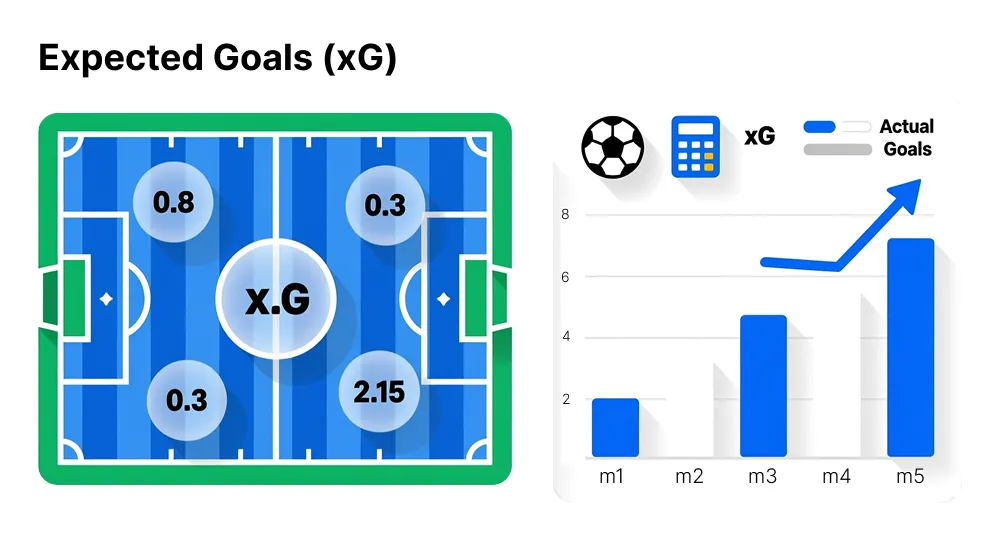
Understanding what xG actually measures helps interpret its betting relevance properly. Expected goals don’t predict how many goals will be scored—they measure the quality of chances teams create and concede. A shot from six yards with only the goalkeeper to beat carries high xG, perhaps 0.4 or 0.5, meaning similar shots historically result in goals 40-50% of the time. A speculative effort from 30 yards carries minimal xG, maybe 0.02, because such shots rarely convert regardless of who’s shooting.
Brighton consistently generate high xG figures that outpace their actual goal tallies. Over recent seasons, Brighton’s xG per match hovers around 1.6-1.8 while their actual goals per match sit closer to 1.3-1.5. This persistent underperformance relative to xG suggests something systematic—poor finishing, goalkeeper quality, or simple variance—that creates betting opportunities.
The betting application works through regression to the mean. When teams consistently underperform their xG, probability suggests future matches will see improved finishing as variance evens out. Brighton matches where they generated 2.5 xG but only scored once represent future value—the underlying performance quality suggests they should score more in upcoming fixtures even if personnel remains unchanged.
Accessing xG data requires using platforms that provide these metrics. Understat offers free xG data for Premier League matches, showing both team-level and player-level figures. Their match pages display shot maps with xG values for each attempt, allowing detailed analysis of chance quality beyond simple shot counts. FBref provides similar data with additional context around possession and passing metrics that complement xG analysis.
The critical distinction for betting purposes: xG predicts future performance better than actual results predict future performance. If Brighton won 3-0 while generating only 1.2 xG, they overperformed their underlying quality and regression suggests future struggles. If Brighton lost 1-2 while generating 2.8 xG, they underperformed and future improvement becomes likely. Bookmakers set odds based partly on recent results, creating opportunities when results diverge from underlying performance quality.
Implementing xG-based betting requires comparing Brighton’s recent xG figures against both actual results and bookmaker odds. When Brighton’s xG suggests much better performance than results show, their odds in upcoming matches become attractive. The market prices them based on disappointing results while you’re backing underlying quality that xG reveals.
One crucial caveat: xG analysis works better for some markets than others. Total goals markets, both teams to score, and team goals overs align naturally with xG thinking. Match result betting based purely on xG produces mixed results because finishing luck and goalkeeper performance impact actual outcomes in ways xG doesn’t capture. Use xG primarily for markets where overall chance creation and quality matter more than specific match winners.
Brighton’s defensive xG—expected goals they concede—reveals similar patterns. They typically concede xG figures around 1.4-1.6 per match, roughly matching their actual goals conceded. This alignment suggests their defensive record accurately reflects their underlying quality rather than benefiting from good fortune. For betting purposes, this means Brighton’s defensive vulnerability is systematic rather than temporary bad luck, informing decisions about both teams to score and total goals markets.
The xG timeline within matches provides additional insights. Brighton often generate high first-half xG without converting, then either score in second halves or continue misfiring. When first halves end scoreless despite Brighton generating 1.0+ xG, live betting on Brighton goals or total goals overs captures value. The underlying chance quality suggests goals are coming even if they haven’t arrived yet.
Advanced bettors track xG patterns across multiple matches rather than reacting to single-game figures. Brighton’s three-match rolling xG average smooths out individual game noise while revealing trends. When their rolling offensive xG rises while actual goals remain flat, betting value emerges. When both xG and goals align, markets typically price Brighton accurately leaving less edge to exploit.
The opponent’s defensive xG against also matters for Brighton betting. Teams that consistently concede high xG regardless of opponent—essentially poor defensive sides—represent ideal Brighton matchups. Even if Brighton’s finishing remains suspect, facing teams that allow quality chances increases probability of conversion through sheer volume. Cross-reference Brighton’s offensive xG tendencies with opponent defensive xG to identify optimal betting spots.
Individual player xG becomes relevant for goalscorer markets and anytime scorer bets. Tracking which Brighton players consistently generate high xG per match identifies value in goalscorer odds. If Evan Ferguson generates 0.6 xG per match on average but his goalscorer odds imply only 0.4 xG worth of probability, you’ve found mispriced value based on his underlying chance quality.
The xG per shot metric reveals shooting quality beyond raw xG totals. Brighton taking 15 shots generating 1.5 xG (0.1 per shot) indicates poor shot selection. Brighton taking 8 shots generating 1.6 xG (0.2 per shot) shows quality chance creation. For betting purposes, quality over quantity matters—teams efficiently creating high-quality chances score more consistently than teams spamming low-probability efforts.
Non-penalty xG (npxG) strips out penalties to reveal open-play performance. Since penalties represent somewhat random events—referee decisions and VAR reviews introduce luck—npxG provides cleaner performance measurement. Brighton’s npxG compared to their total xG shows how much their figures depend on spot kicks versus creating chances through build-up play.
Opponent goalkeeper quality interacts with xG for betting purposes. Elite goalkeepers consistently outperform their xG against—they save shots that average keepers concede. When Brighton face teams with outstanding goalkeepers, their xG-based expectations need adjusting downward. Conversely, facing poor keepers means Brighton’s xG likely converts at higher rates than typical, creating value in Brighton scoring markets.
The xG philosophy for betting: back underlying performance quality while the market prices recent results. Most bettors overreact to what happened—goals scored or conceded. Smart bettors focus on why it happened—chance quality that xG measures. When those two diverge, xG points toward future value before markets correct their pricing.
Apply these tactics when analyzing Brighton half-time full-time betting opportunities.
Strategic Hedging Techniques
Hedging involves placing bets against your original position to guarantee profit or minimize loss regardless of match outcome. For Brighton betting, hedging transforms binary win-or-lose scenarios into controlled risk management that locks in returns when circumstances shift favorably.
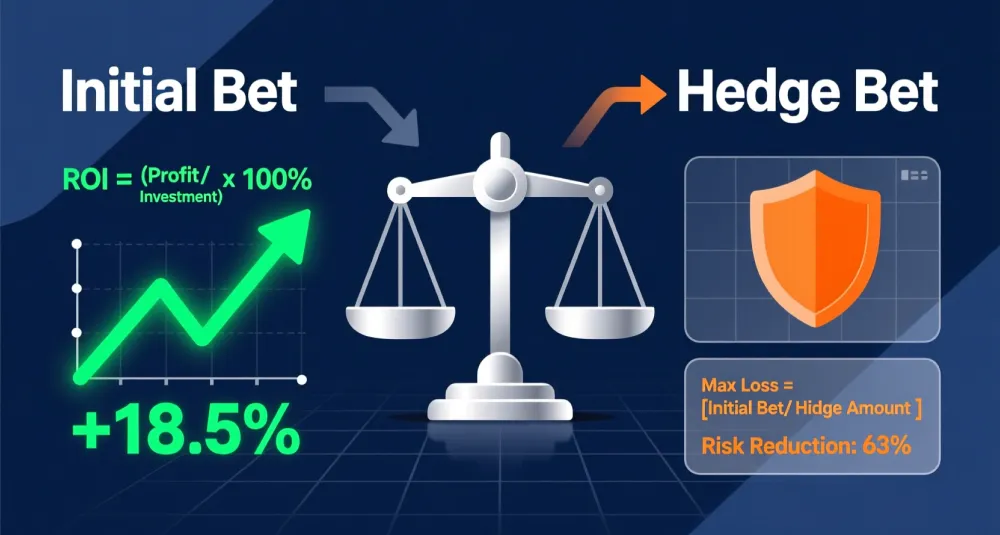
The fundamental hedging scenario emerges when Brighton go ahead after you’ve backed them to win. Their odds to win drop significantly while draw and opponent win odds rise. Betting the draw or opponent at these inflated odds creates position where you profit regardless of final result—either your original Brighton bet wins or your hedge bet wins, with both payouts exceeding total stake.
Calculating hedge positions requires comparing original stake and odds against current odds for opposite outcome. If you bet £100 on Brighton at 2.50 odds (£250 return) and they lead 1-0 with draw now at 4.00 odds, betting £62.50 on draw (£250 return) creates hedged position. Brighton winning returns £250 minus £162.50 total staked equals £87.50 profit. Draw returns £250 minus £162.50 equals £87.50 profit. You’ve locked in £87.50 regardless of final result.
The timing of hedges dramatically impacts returns. Hedging immediately when Brighton score minimizes locked-in profit because odds haven’t moved far. Waiting until match advances with Brighton protecting lead maximizes locked-in profit as opponent odds drift further. But waiting carries risk—opponent equalizing eliminates hedging opportunity entirely. Balance guaranteed smaller profit against possibility of larger profit with continued risk.
Partial hedging preserves upside while reducing risk. Instead of fully hedging for guaranteed equal profit either way, hedge only portion of position. This maintains some exposure to original bet winning while protecting against complete loss. If you bet £100 on Brighton at 2.50, partially hedging £40 on draw at 4.00 when Brighton lead gives: Brighton win returns £250 minus £140 staked equals £110 profit. Draw returns £160 minus £140 staked equals £20 profit. You’ve guaranteed minimum £20 profit while keeping £110 upside potential.
Live betting odds movement creates hedging opportunities mid-match. Brighton going behind makes their comeback odds attractive—if they equalize, you can hedge at favorable prices. This requires watching matches actively and having accounts with bookmakers offering competitive live odds. The ability to hedge quickly when situations shift determines whether you can capture value before markets correct.
Asian handicap betting provides superior hedging vehicles compared to traditional three-way markets. Asian handicaps eliminate draws through fractional goal lines, creating two-way markets with better hedging mathematics. Betting Brighton -0.5 goals means they must win; betting opponent +0.5 goals means they can draw or win. These binary outcomes simplify hedge calculations compared to three-way markets where draw represents third variable complicating position management.
Tournament betting across multiple matches enables portfolio hedging. Betting Brighton to finish top four provides hedging options as season progresses. If Brighton surge into Champions League spots by February, betting them to miss top four at inflated odds creates hedged position. Either outcome profits based on odds movement from original bet placement to current market pricing.
Cash-out features offered by bookmakers represent automated hedging but typically at unfavorable rates. Bookmakers calculate cash-out values building in margin that reduces your returns compared to manually hedging at market odds. Use cash-out for convenience when manual hedging isn’t possible, but calculate whether you’re accepting poor value versus hedging yourself at better prices.
Hedging goalscorer bets when players score early creates profitable scenarios. If you bet on Brighton player for anytime goalscorer at 4.00 odds and they score early, betting against them scoring again (if bookmaker offers this market) or betting under total goals locks in profit. The player already scored so anytime bet wins regardless; your hedge either wins adding profit or loses but original bet already won.
Exchange betting through platforms like Betfair simplifies hedging by allowing backing and laying same outcomes. Lay betting—betting against outcomes—provides direct hedging without calculating opposite positions. If you backed Brighton at 2.50 and they lead, laying Brighton at 1.80 creates hedged position. The difference between back and lay odds determines locked-in profit, with exchange commission reducing net returns but offering flexibility that traditional bookmakers can’t match.
Psychological discipline proves essential for hedging success. The temptation to “let it ride” when original bet looks good prevents optimal hedging. Conversely, hedging too early out of fear sacrifices value. Establish hedging criteria before match starts—specific score lines or odds thresholds triggering hedge positions—removing emotional decision-making during match when pressure clouds judgment.
Hedging multi-leg accumulators as earlier legs win creates guaranteed returns from risky bets. If three-leg accumulator hits first two legs, hedging final leg locks in profit from initial risk. Calculate hedge size to guarantee minimum profit exceeding original stake regardless of final leg outcome. This transforms high-risk accumulators into controlled return vehicles when early legs succeed.
Bankroll allocation for hedging requires maintaining liquidity to place hedge bets when opportunities emerge. Tying entire bankroll into original bets leaves nothing for hedging when situations warrant. Reserve portion of bankroll specifically for hedging positions as matches develop, ensuring you can capitalize on mid-match opportunities without scrambling for additional funds.
Arbitrage betting represents specialized form of hedging where you bet both sides across bookmakers at odds guaranteeing profit. Pure arbitrage opportunities appear rarely in major markets but occasionally emerge in less-efficient markets or when bookmakers disagree substantially about probabilities. For Brighton betting, arbitrage might appear in player props or niche markets where bookmaker disagreement creates exploitable pricing.
The technological requirements for effective hedging include mobile betting access and fast internet allowing quick bet placement. Brighton matches move quickly, and hedging opportunities close within seconds as odds shift. Having reliable betting infrastructure ensures you can capitalize on hedging spots before they vanish.
Fixture Congestion Analysis
Brighton’s performance varies significantly based on their recent match schedule and upcoming fixtures. Fixture congestion analysis identifies when Brighton will likely underperform due to fatigue or when they’ll overperform against similarly tired opponents.
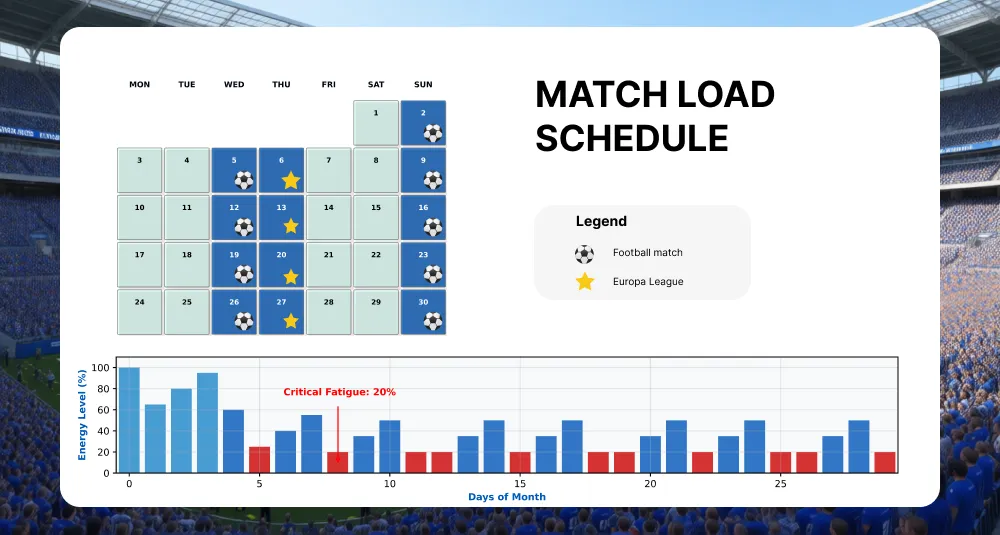
European competition creates the most obvious fixture congestion. When Brighton qualify for Europa League or other European tournaments, they play midweek matches requiring squad rotation and creating fatigue heading into weekend fixtures. Tracking their European schedule helps identify Premier League matches where tired starters or rotated squads reduce Brighton’s quality below typical standards.
The three-matches-in-seven-days pattern represents dangerous congestion. When Brighton play Thursday European fixture, Sunday Premier League match, and Wednesday cup tie, the middle fixture typically sees reduced performance. Players lack recovery time between matches, increasing injury risk and reducing physical capacity to maintain Brighton’s demanding pressing system.
Domestic cup competitions compound congestion during winter months. FA Cup and League Cup fixtures add to already-packed schedules, forcing Brighton to choose between prioritizing different competitions or risking key players across all fronts. When Brighton progress deep into cups, their league form often suffers as Fabian Hürzeler manages squad fatigue.
The betting application requires checking Brighton’s schedule before placing bets. When Brighton face fixture congestion, reduce stakes on markets requiring them to perform at peak levels. Conversely, when opponents face congestion while Brighton had clear week for preparation, increase confidence in Brighton-favorable bets. The relative fixture burden matters more than absolute number of matches each team played.
Squad depth directly impacts how congestion affects performance. Brighton’s squad has improved but still shows quality drop-off from starters to reserves. When congestion forces rotation, the replacement players often lack tactical understanding or individual quality to maintain Brighton’s system effectiveness. Check predicted lineups before betting during congestion periods to ensure key players will actually start rather than being rested.
Physical versus mental fatigue impacts different markets differently. Tired legs reduce pressing intensity and running capacity, affecting total goals and both teams to score markets. Mental fatigue impacts concentration and decision-making, increasing defensive errors in ways that favor both teams to score while making match result less predictable. Consider which type of fatigue will dominate based on how recently Brighton played.
Long away trips to Europe create travel fatigue beyond simple match frequency. Brighton players flying to and from European destinations lose recovery time to travel, disrupting sleep and routine. Matches immediately following European away trips represent particularly vulnerable spots where fatigue compounds with disrupted preparation.
The recovery period required between matches varies by match intensity. Playing against elite opponents who force Brighton to defend extensively requires more recovery than dominating weaker opponents who barely threatened. Consider opponent quality in prior fixtures when assessing congestion impact rather than just counting days between matches.
Injury accumulation during congested periods creates cascading problems. Fatigue increases injury risk, and injuries force playing other fatigued players more minutes, further increasing their injury exposure. Monitor Brighton’s injury list during congestion—accumulating knocks signal danger for upcoming fixtures where depleted squads face mounting demands.
Some players handle congestion better than others based on age and physical profile. Younger Brighton players like Julio Enciso recover faster and maintain performance across matches. Older players like Danny Welbeck require more rest between fixtures to perform optimally. When congestion forces playing veterans on short rest, expect reduced mobility and effectiveness affecting Brighton’s attacking output.
Opponent congestion creates Brighton betting opportunities. When Brighton enjoy clear week while opponents played midweek, Brighton’s fitness advantage shows up across markets. Their pressing system becomes even more effective against tired opponents, leading to increased shot volume, corners, and goals. Back Brighton aggressively when fitness disparities heavily favor them.
Conclusion: Systematic Edge Building
Advanced betting tactics transform Brighton betting from hoping your team performs well into systematically exploiting market inefficiencies. Expected goals analysis reveals when underlying performance diverges from results, hedging provides flexibility to lock in profits when circumstances shift, and arbitrage captures guaranteed returns when bookmaker disagreement creates pricing errors.
The common thread across these advanced tactics is structured thinking. Instead of placing bets based on gut feelings about Brighton’s chances, you’re building systematic frameworks that process information more effectively than bookmakers or other bettors. That information processing advantage—not insider knowledge or lucky guesses—creates sustainable edges generating long-term profits.
Implementation requires commitment beyond casual betting. Tracking xG figures, monitoring odds across bookmakers, calculating hedge positions, and analyzing fixture congestion all demand time and effort. But the returns justify the investment for bettors treating this seriously rather than as casual entertainment. Advanced tactics separate professional approaches from recreational gambling dressed up with statistics.
Start implementing one advanced tactic until it becomes natural, then add others gradually. Beginning with xG analysis might be easiest since data is freely available and concepts translate directly into betting decisions. Once comfortable with xG, add line shopping across bookmakers. Then incorporate hedging when situations warrant. Build your tactical arsenal systematically rather than trying to implement everything simultaneously.
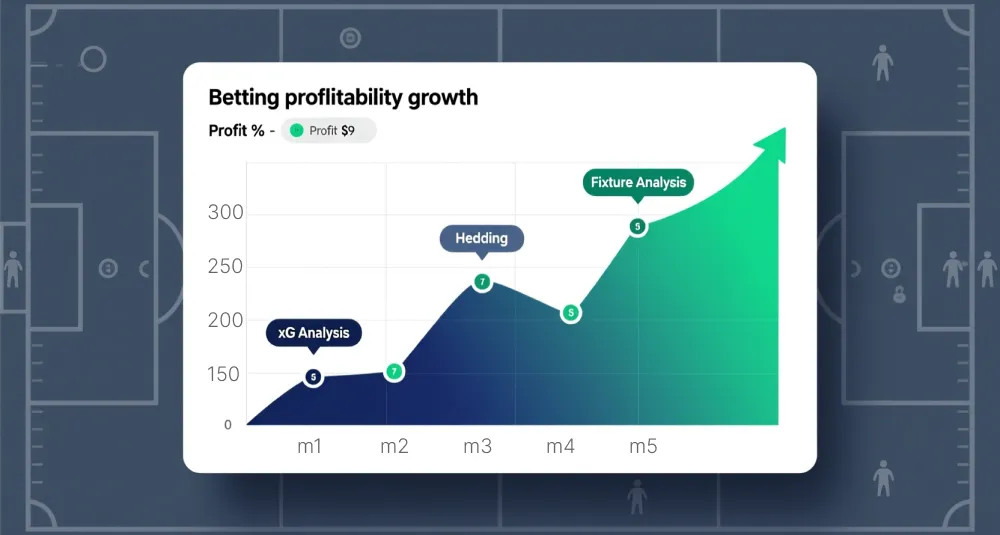
Track which advanced tactics actually improve your results versus which sound impressive but don’t generate returns. Calculate separate ROI for xG-based bets, hedged positions, and other tactical approaches. Let data guide which tactics deserve continued use and which to abandon or modify. Honest self-assessment prevents falling in love with techniques that don’t actually work for your specific circumstances.
Brighton betting rewards sophistication but only when that sophistication translates into better decision-making. Advanced tactics are tools, not magic formulas guaranteeing profits. They create edges that compound into meaningful returns over sufficient sample sizes when applied intelligently within sound bankroll management frameworks. Combined with the tactical knowledge and market selection principles explored in previous chapters, these advanced tactics complete the toolkit for serious Brighton betting generating sustainable long-term profits.
Refine your edge using our professional betting portal.
