Brighton’s Pressing System
 Available in US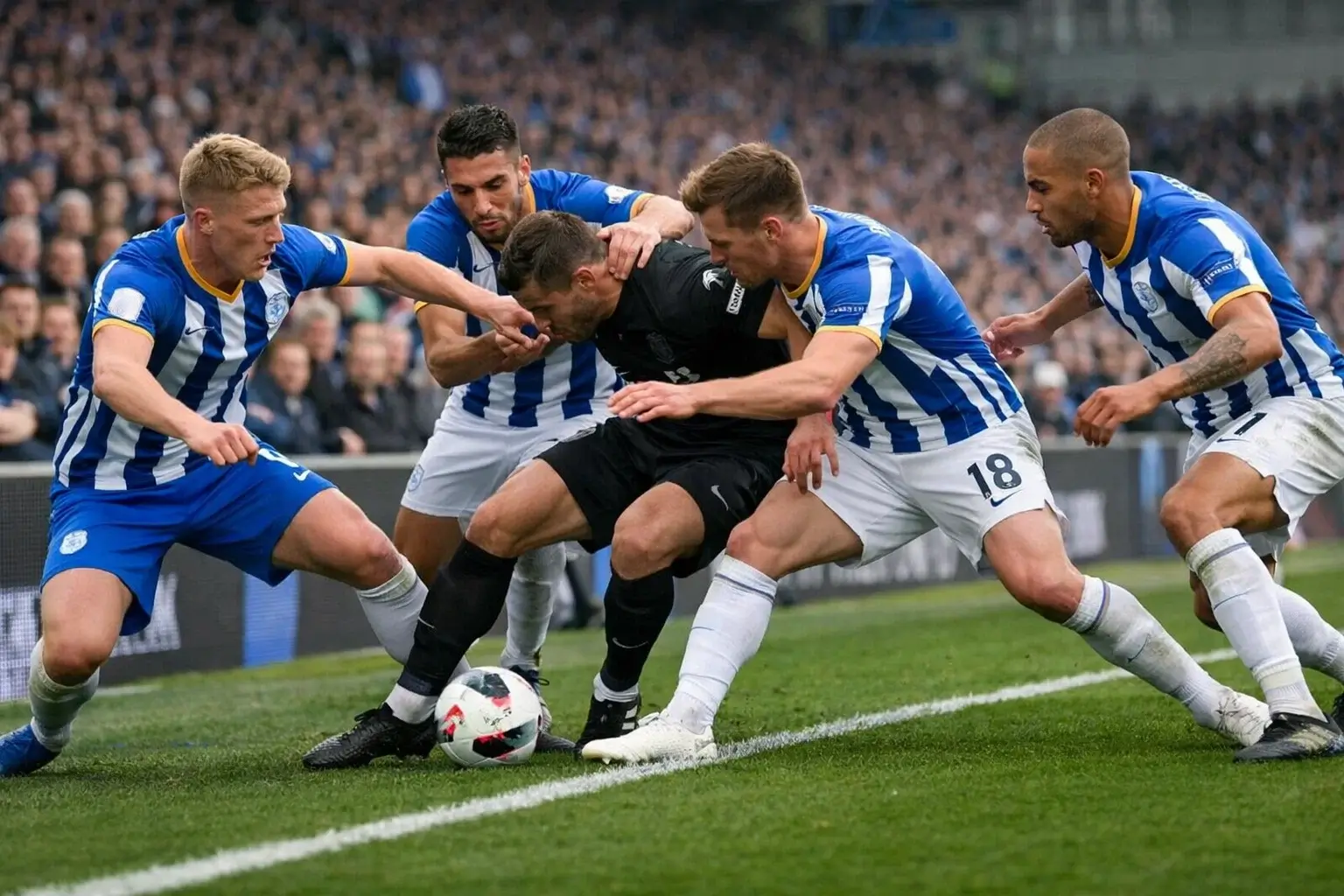
Pressing has become the tactical obsession of modern football, and few Premier League clubs commit to it with the intensity that Brighton & Hove Albion bring to every fixture. Under Fabian Hürzeler, the Seagulls have established themselves among the division’s most aggressive pressing teams, recording a PPDA (Passes Per Defensive Action) of 10.8 during the 2024-25 campaign. That figure placed them in the top five pressing sides in England’s top flight, alongside Bournemouth, Arsenal, Tottenham, and Liverpool.
For live bettors, understanding how Brighton’s pressing system functions creates opportunities that pre-match markets cannot capture. The ebb and flow of pressing intensity throughout matches produces predictable patterns in momentum, goal probability, and statistical outcomes that sharp in-play bettors can exploit. When Brighton’s press succeeds, one set of betting dynamics emerges. When it fails, entirely different opportunities present themselves.
The pressing system itself represents the foundation of Hürzeler’s tactical identity at Brighton. Understanding its mechanics provides the analytical framework necessary to interpret match developments and identify live betting value in real time.
How Brighton Press
Brighton’s pressing structure adapts based on opponent shape, but certain principles remain constant. They deploy a 5-5 pressing approach rather than committing their entire eleven into advanced areas. A quartet of forward players engage in man-marking as opponents attempt to play out from the back, joined by a midfielder who makes late sprinting runs to take on the spare man. The remaining five outfield players hold significantly deeper positions, challenging opponents to play longer forward passes that bypass Brighton’s pressing trap.
This structure creates specific vulnerabilities and strengths that affect live betting calculations. When the press triggers successfully, Brighton generate high turnovers in dangerous areas. They manufactured among the Premier League’s highest counts of possessions won in the final third under both De Zerbi and Hürzeler. These high turnovers translate directly into scoring opportunities, often producing shots within seconds of winning the ball.
When the press fails, however, Brighton find themselves exposed. The forward pressing players are committed high up the pitch while the deeper group cannot immediately cover the space between them. Quick passing combinations that break Brighton’s initial pressing line find significant space to exploit. The counter-attacking vulnerability discussed in other tactical analyses traces directly back to pressing failures that leave Brighton structurally compromised.
Reading Pressing Effectiveness In-Play
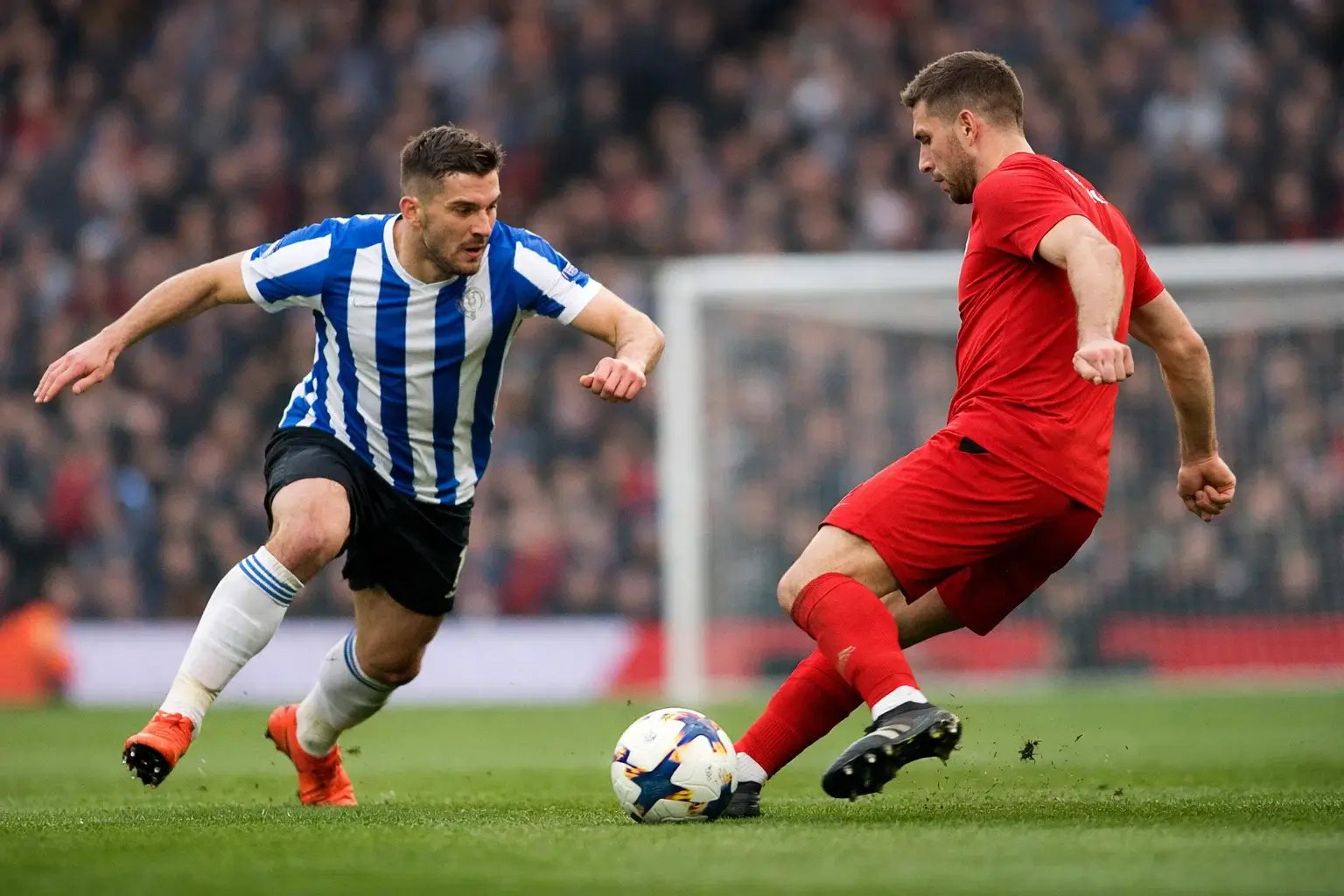
Live betting on Brighton matches requires recognising whether their pressing system is functioning as intended. Several observable indicators help identify pressing success or failure in real time, even without access to sophisticated live statistics.
When Brighton’s press succeeds, you’ll observe opponents playing backwards repeatedly, long clearances under pressure, and turnovers in advanced areas leading to Brighton chances. The match takes on a territorially one-sided character with Brighton camped in the opponent’s half for extended periods. In these phases, Brighton’s probability of scoring increases while their probability of conceding drops. Live odds should reflect this, but market movements sometimes lag observable reality.
When the press fails, different patterns emerge. Opponents complete passes through Brighton’s pressing line, finding midfielders or forwards in space behind the initial press. The match becomes more open, with territory shifting more frequently. Brighton’s defensive vulnerability increases because their pressing players cannot recover positions quickly enough after being bypassed. The probability of goals at both ends increases, making BTTS bets more attractive.
The transition between these states often happens gradually, but sometimes arrives suddenly. A tactical adjustment by either manager, a key player substitution, or simple fatigue can shift pressing effectiveness dramatically. Recognising these inflection points before odds fully adjust creates live betting value.
First Half Pressing Dynamics
Brighton typically press with maximum intensity in opening phases of matches. Their fitness levels peak, their concentration remains sharp, and their tactical discipline holds firm. First halves often see Brighton at their pressing best, generating turnovers and territorial dominance that create chances.
Paradoxically, this pressing intensity doesn’t always translate into first half goals for Brighton. Their possession-based attacking philosophy means breaking down defences often takes time, even when pressing wins the ball frequently. The first half betting angle focuses more on Brighton’s defensive solidity during high pressing phases rather than their attacking output.
Backing under 0.5 first half goals in certain Brighton fixtures offers value when facing opponents likely to struggle against the press. Teams with poor build-up quality, inexperienced goalkeepers uncomfortable with the ball at their feet, or tactical systems that invite pressure may find themselves unable to threaten Brighton at all during first half pressing intensity. The match opens up later when fatigue erodes pressing effectiveness.
Conversely, when Brighton face opponents with quality build-up capable of playing through their press, the first half may produce more chances than the market expects. These opponents generate counter-attacking opportunities from the start, creating early goals probability that affects first half markets.
Second Half Pressing Decline
Brighton’s pressing intensity inevitably declines as matches progress. No team can maintain maximum pressing output for ninety minutes, and Brighton are no exception. The second half, particularly the final twenty minutes, typically sees their PPDA figures rise (indicating less aggressive pressing) as fatigue accumulates.
This pressing decline creates specific live betting opportunities. Goals become more likely in second halves of Brighton matches because both teams find more space to create chances. Brighton’s attacking threat often increases paradoxically, as their more direct approach when pressing intensity drops can create clearer opportunities than their methodical possession build-up. Meanwhile, opponents who survived the first half pressing onslaught find more room to threaten.
Live betting on over goals markets often offers value entering the second half of Brighton matches, particularly when the score remains level. The combination of Brighton’s increased directness and their reduced pressing effectiveness creates conditions where goals flow more freely than in the controlled first half.
BTTS markets that have drifted during goalless first halves represent another opportunity. The pattern of Brighton matches suggests BTTS remains likely even when neither team scores early, because the second half dynamics favour goal production at both ends.
High pressure often leads to a Brighton high defensive line, which is a key betting variable.
Game State Impacts on Pressing
Brighton’s pressing approach varies based on scoreline, and understanding these variations helps identify live betting value throughout matches.
When Brighton lead, their pressing remains aggressive but their defensive positioning may become slightly more conservative. They protect leads better than their reputation suggests, with the high line compressing toward midfield to reduce space behind defenders. The match tempo typically drops as Brighton prioritise ball retention over aggressive pressing.
When Brighton trail, their pressing intensifies above baseline levels. They commit more players forward, press higher up the pitch, and take greater risks to win the ball quickly. This desperation pressing creates chaos that can produce goals at either end. BTTS probability spikes when Brighton fall behind because their response creates the open match dynamics that generate scoring chances for both teams.
When matches remain level, Brighton’s pressing follows a gradual arc from intense to moderate as fatigue accumulates. The betting implications depend on how much time remains and how effectively opponents have handled the pressing to that point. Stalemates late in matches often break in the final fifteen minutes when Brighton’s pressing decline creates space that their more direct attacking approach can exploit.
Substitution Impacts
Brighton’s substitutions under Hürzeler often prioritise maintaining pressing intensity. Fresh legs replacing tired ones in midfield and attacking positions restore pressing effectiveness temporarily. Recognising when these substitutions arrive and their likely impact helps identify live betting moments.
When Brighton introduce fresh pressing players, expect a temporary surge in their intensity. This can create turnovers and chances in the minutes following substitutions, potentially shifting match dynamics that odds haven’t fully captured. Conversely, when Brighton’s pressing personnel tire and replacements aren’t immediately available, expect their effectiveness to decline more rapidly.
Opponent substitutions matter equally. When opponents introduce quick forwards against a tiring Brighton press, the counter-attacking threat increases. When opponents bring on fresh midfielders capable of handling pressure, Brighton’s pressing returns diminish. Reading substitution intentions and impacts provides edges in live betting that casual observers miss.
Practical Live Betting Applications

Applying pressing analysis to live betting requires real-time observation combined with pre-match preparation. Before matches, assess opponent quality against the press based on their build-up statistics, goalkeeper comfort on the ball, and tactical tendencies. Identify which opponents will likely struggle against Brighton’s pressing and which possess the quality to play through it.
During matches, observe pressing effectiveness directly. When Brighton’s press dominates, consider backing their goal markets or match corners as their territorial dominance should produce statistical outputs. When opponents handle the press effectively, consider BTTS or over goals as the open nature of the contest creates chances at both ends.
Monitor fatigue indicators as matches progress. When Brighton’s pressing intensity visibly declines, expect more goals and more open play. Adjust live betting positions accordingly, particularly in second halves when pressing decline becomes most pronounced.
The pressing system sits at the heart of everything Brighton do under Hürzeler. It creates their attacking opportunities through turnovers, defines their defensive shape, and produces the match dynamics that drive betting outcomes. Understanding how the press functions, when it succeeds, when it fails, and how it evolves throughout matches provides the analytical foundation for profitable live betting on Brighton fixtures.
Identify high-value turnovers from our Premier League betting hub.
